You Won’t Believe How This Simple Routine Slowed My Aging
As I approached my late 40s, I noticed subtle but unsettling changes—slower recovery, stiffer joints, and a face that didn’t quite bounce back like before. That’s when I committed to an anti-aging exercise program rooted in science, not hype. What I discovered wasn’t a miracle, but something better: real, lasting shifts in how I feel and move. This is what actually works. Aging doesn’t have to mean decline. With the right habits, especially consistent physical activity, the body can maintain strength, energy, and resilience far longer than many believe. This isn’t about looking younger—it’s about feeling stronger, moving better, and living with greater vitality at every stage.
The Aging Myth We All Believe (And Why It’s Wrong)
For decades, society has treated aging as an inevitable descent into frailty, fatigue, and diminished quality of life. Wrinkles, joint pain, muscle loss—these are often accepted as unavoidable consequences of time. But modern science tells a different story. While chronological age continues forward, biological aging—the condition of our cells, tissues, and systems—is highly influenced by lifestyle. The idea that our bodies simply “wear out” like machines is a myth. In reality, the human body thrives on use. Without regular physical stimulation, muscles atrophy, bones weaken, and metabolic function slows. This isn’t wear and tear—it’s disuse.
At the cellular level, aging is not a fixed process. Telomeres, the protective caps at the ends of our chromosomes, naturally shorten with each cell division. Shorter telomeres are linked to aging and age-related diseases. However, research shows that individuals who engage in regular physical activity tend to have longer telomeres than their sedentary peers. A study published in the journal Medicine & Science in Sports & Exercise found that adults who maintained an active lifestyle had biologically younger cells by up to nine years. This suggests that movement plays a direct role in preserving cellular integrity.
Mitochondria, the energy-producing structures within our cells, also decline in function with age. But physical activity has been shown to stimulate mitochondrial biogenesis—the creation of new mitochondria—improving energy production and reducing oxidative stress. This means the body doesn’t just slow aging passively; it actively repairs and regenerates when challenged appropriately. The takeaway is clear: aging is not just a matter of time. It is shaped by how we live. Movement isn’t a luxury for the young or fit—it’s a biological necessity for everyone, especially as we grow older.
Why Exercise Is the Most Powerful Anti-Aging Tool (Backed by Science)
In a world filled with anti-aging creams, supplements, and high-tech treatments, one solution stands out for its proven, wide-ranging benefits: exercise. Unlike any pill or potion, physical activity simultaneously improves cardiovascular health, cognitive function, metabolic regulation, and immune response. According to the National Institutes of Health (NIH), regular exercise is the single most effective intervention for delaying the onset of chronic diseases associated with aging, including type 2 diabetes, heart disease, and neurodegenerative conditions like Alzheimer’s.
Landmark studies from the Mayo Clinic have demonstrated that aerobic and resistance training can reverse mitochondrial dysfunction, a key marker of cellular aging. In one trial, older adults who followed a structured exercise program for 12 weeks showed significant improvements in muscle insulin sensitivity and mitochondrial health—changes equivalent to turning back the metabolic clock by one to two decades. These effects were most pronounced in those who combined strength and aerobic training, underscoring the importance of a comprehensive approach.
Exercise also influences gene expression through a process called epigenetics. Physical activity can activate genes that promote repair and deactivate those linked to inflammation and disease. For example, a 2018 study in Nature Metabolism found that just 20 minutes of moderate exercise altered the methylation patterns of over 7,000 genes, many of which are involved in aging and metabolism. No pharmaceutical drug currently available can match this level of systemic impact.
Moreover, exercise supports brain health by increasing blood flow, stimulating the growth of new neurons, and boosting levels of brain-derived neurotrophic factor (BDNF), a protein essential for memory and cognitive resilience. Longitudinal data from the Framingham Heart Study show that individuals who remain physically active in midlife are up to 30% less likely to develop dementia later on. When viewed through the lens of longevity, exercise isn’t just beneficial—it’s foundational. It’s not a temporary fix but a lifelong investment in how well you age.
The Three Pillars of an Effective Anti-Aging Workout Plan
An effective anti-aging fitness routine isn’t about extreme workouts or spending hours at the gym. It’s about consistency, balance, and addressing the key systems that decline with age. Experts agree that three types of movement are essential: strength training, aerobic conditioning, and mobility work. Each serves a unique purpose, and when combined, they create a powerful synergy that supports long-term health.
Strength training preserves muscle mass and bone density, both of which begin to decline in our 30s and accelerate after 50. Without resistance exercise, muscle loss—known as sarcopenia—can lead to weakness, poor balance, and increased fall risk. Aerobic conditioning, on the other hand, supports heart and lung function, improves circulation, and enhances mitochondrial efficiency. It keeps the cardiovascular system resilient and helps regulate blood pressure, cholesterol, and blood sugar levels.
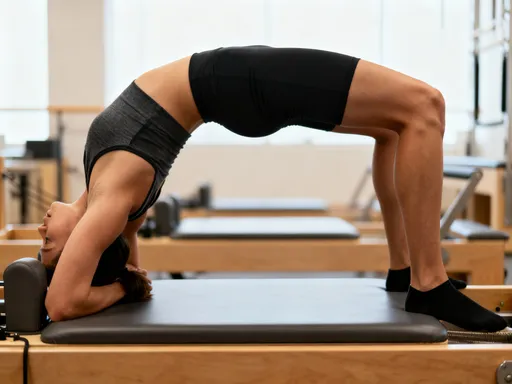
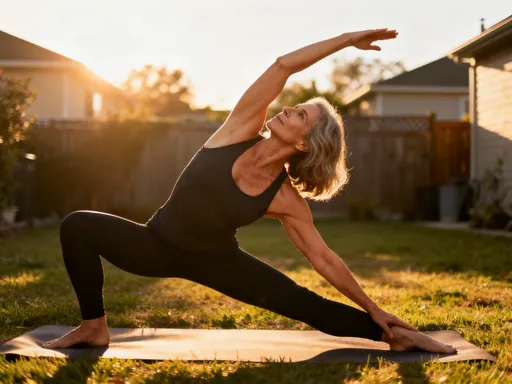
Mobility work is often overlooked but equally vital. As we age, joints stiffen, posture deteriorates, and everyday movements become more difficult. Regular stretching, yoga, or tai chi helps maintain range of motion, reduces stiffness, and supports graceful, pain-free movement. Together, these three pillars form a complete system that addresses the physical, metabolic, and functional aspects of aging.
Skipping any one component limits results. For example, someone who only does cardio may maintain heart health but still lose muscle and bone strength. Someone who lifts weights but ignores flexibility may become strong but less agile. The goal is not to excel in one area but to build a balanced, sustainable routine that supports overall vitality. This holistic approach ensures that you don’t just live longer—you live better.
Strength Training: Building Your Body’s Foundation
After the age of 30, adults lose approximately 3 to 5% of their muscle mass each decade—a rate that doubles after 50. This natural decline, known as sarcopenia, leads to reduced strength, slower metabolism, and increased frailty. Strength training is the most effective way to counteract this process. By challenging muscles with resistance, we stimulate muscle protein synthesis, preserve lean mass, and maintain functional independence well into later life.
Resistance exercise also has profound metabolic benefits. It improves insulin sensitivity, helping the body regulate blood sugar more effectively—a critical factor in preventing type 2 diabetes. Additionally, strength training boosts resting metabolic rate, meaning you burn more calories even at rest. This helps prevent age-related weight gain, particularly the dangerous accumulation of visceral fat around the abdomen.
For most adults, two to three strength sessions per week are sufficient to see meaningful results. These don’t require a gym or expensive equipment. Bodyweight exercises like squats, lunges, push-ups, and planks are highly effective. Adding resistance through dumbbells, resistance bands, or kettlebells can further enhance gains. Focus on compound movements that engage multiple muscle groups—such as deadlifts, rows, and overhead presses—as they deliver the greatest functional benefit.
Form is more important than weight. Lifting with proper technique reduces injury risk and ensures that the right muscles are engaged. Beginners should start with lighter loads and higher repetitions (10–15 per set) to build endurance and neuromuscular control. As strength improves, gradually increase resistance while maintaining good form. The goal is not to become a bodybuilder but to build a strong, resilient body that can handle daily activities with ease—carrying groceries, climbing stairs, playing with grandchildren—without strain or pain.
Cardio That Actually Serves Longevity (Not Just Weight Loss)
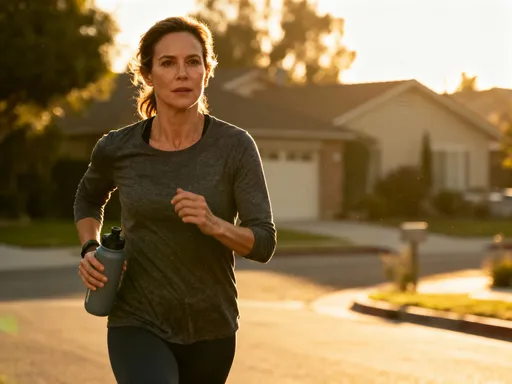
When many people think of cardio, they picture intense runs or grueling spin classes aimed at burning calories. But for longevity, the goal isn’t maximum exertion—it’s sustainable, heart-healthy movement. The American Heart Association recommends 150 minutes of moderate-intensity aerobic activity per week, such as brisk walking, cycling, or swimming. This level of activity has been consistently linked to longer life, reduced disease risk, and better cognitive outcomes.
Steady-state cardio—exercise performed at a consistent, manageable pace—improves circulation, enhances lung capacity, and strengthens the heart muscle. It also increases the efficiency of mitochondria, allowing cells to produce energy more effectively and with less oxidative stress. Unlike high-intensity interval training (HIIT), which can be beneficial but may not be suitable for everyone, moderate cardio is accessible, low-impact, and easier to maintain over time.
Walking, in particular, is one of the most studied and effective forms of longevity-promoting exercise. A large-scale study published in JAMA Internal Medicine found that older adults who walked at a brisk pace for 30 minutes a day had significantly lower mortality rates than their sedentary counterparts. The benefits were even greater when walking was done outdoors, where exposure to nature and sunlight added mental and emotional health advantages.
The key to success is consistency and enjoyment. Choose activities you genuinely like—dancing, water aerobics, hiking, or cycling—so you’re more likely to stick with them. Exercise should not feel like punishment. It should feel like a gift to your future self. Over time, regular cardio not only improves physical health but also enhances mood, reduces anxiety, and supports better sleep—all of which contribute to graceful aging.
Mobility and Flexibility: The Forgotten Anti-Aging Secret
Stiffness is not a natural part of aging—it’s a sign of inactivity. Yet, many people accept reduced flexibility as inevitable. They struggle to tie their shoes, reach for items on high shelves, or get up from the floor without using their hands. These limitations are not minor inconveniences; they signal declining functional mobility, which increases the risk of falls and loss of independence.
Daily mobility and flexibility work can prevent or even reverse these changes. Stretching, yoga, and tai chi improve joint range of motion, enhance posture, and reduce muscle tension. They also support balance and coordination, which are critical for fall prevention—a major concern for older adults. A study from Harvard Medical School found that older adults who practiced tai chi regularly reduced their fall risk by up to 50%.
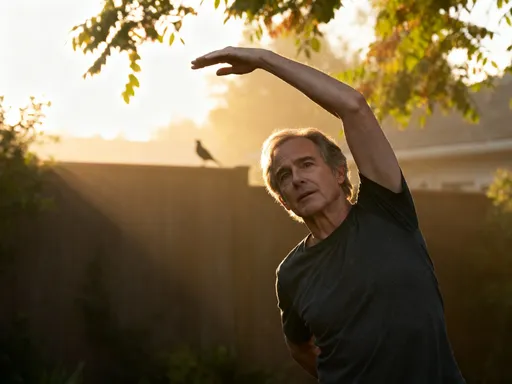
Mobility exercises don’t have to be time-consuming. Just five to ten minutes a day can make a noticeable difference. Simple routines like neck rolls, shoulder stretches, hip openers, and gentle spinal twists can be done at home, without equipment. Yoga sequences such as cat-cow, child’s pose, and seated forward bends are excellent for maintaining spinal flexibility and relieving back pain.
Beyond physical benefits, mobility practices promote mindfulness and relaxation. The slow, controlled movements help quiet the mind, reduce stress hormones, and improve body awareness. This mind-body connection enhances overall well-being and supports healthier aging. By prioritizing flexibility, you’re not just preserving movement—you’re protecting your ability to live independently and with dignity.
Putting It All Together: A Realistic Weekly Plan Anyone Can Follow
Knowing what to do is one thing; making it a habit is another. The most effective anti-aging routine is one you can sustain for years, not days. The following weekly plan integrates all three pillars—strength, cardio, and mobility—into a manageable, balanced schedule designed for real life.
Start with strength training two to three times per week. Choose non-consecutive days—such as Monday, Wednesday, and Friday—to allow muscles time to recover. Each session can last 20 to 30 minutes and include exercises like bodyweight squats, wall push-ups, bent-over rows with light dumbbells, and planks. Focus on controlled movements and full range of motion.
For cardio, aim for 30 minutes of moderate activity five days a week. This could be a brisk walk around the neighborhood, a bike ride, or a swim. If 30 minutes at once feels daunting, break it into two 15-minute sessions. The goal is to move consistently, not intensely. Choose activities you enjoy to increase adherence.
Mobility work should be done daily, even if only for five minutes. Morning stretches can wake up the body; evening routines can promote relaxation and better sleep. Consider following a short yoga video or tai chi sequence online. Over time, you’ll notice improved ease of movement and reduced stiffness.
Include at least one full rest day per week to allow the body to recover. Listen to your body—on low-energy days, opt for gentle movement like stretching or walking. Progress, not perfection, is the goal. Celebrate small wins: holding a plank a few seconds longer, walking an extra block, or noticing less joint pain.
Mindset matters. View exercise not as a chore but as a daily act of self-care. It’s a commitment to yourself—a way to honor your body and invest in your future. Over months and years, these small, consistent actions accumulate into profound changes: more energy, better balance, stronger bones, and a sharper mind. This is not about chasing youth. It’s about building a life of strength, vitality, and freedom—no matter your age.