How Ball Sports Transformed My Fitness—And Can Boost Yours Too
You don’t need a gym membership or fancy equipment to get seriously fit. I discovered that ball sports—simple, fun, and surprisingly effective—can boost your health in ways I never expected. From better heart function to sharper focus, the benefits are real. What started as weekend games turned into a lifestyle change. This is how playing ball systematically improved my strength, coordination, and overall well-being—naturally and sustainably.
The Hidden Power of Ball Sports in Everyday Fitness
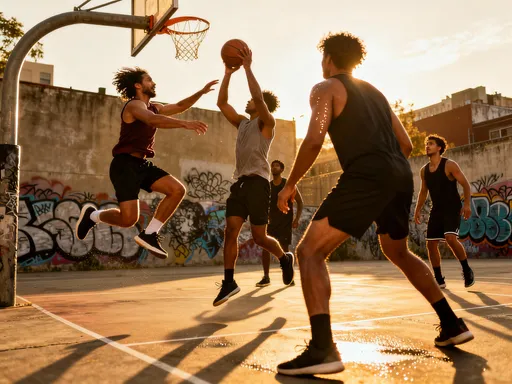
Ball sports are often seen as children’s pastimes or professional competitions, but their value in everyday fitness is frequently overlooked. Unlike rigid gym routines, ball games offer a dynamic blend of movement, strategy, and social interaction that makes exercise feel less like a chore and more like a joyful part of life. Activities such as basketball, soccer, handball, volleyball, and even casual catch with a soft ball involve running, jumping, throwing, and quick changes in direction—all of which contribute to a full-body workout without requiring a single repetition on a machine.
What defines a ball sport? At its core, it’s any physical activity centered around controlling, passing, or scoring with a ball. These games can be adapted to nearly any environment—backyard, park, driveway, or indoor court. The barrier to entry is remarkably low. All you need is a ball and a willingness to move. There’s no need for expensive memberships, specialized gear, or prior athletic experience. A tennis ball and a wall can become the foundation of an effective daily routine. This accessibility makes ball sports uniquely inclusive, especially for adults who may feel intimidated by traditional fitness spaces.
Moreover, ball sports stand apart from structured workouts by integrating skill development with physical exertion. While lifting weights strengthens isolated muscle groups, ball play enhances coordination, timing, and spatial awareness. The unpredictable nature of the game—where a bounce could go left or right, where a teammate might pass at any moment—keeps the mind and body engaged simultaneously. This combination of physical and mental stimulation creates a richer, more sustainable form of fitness than repetitive motions on a treadmill or stationary bike.
Why Modern Lifestyles Need Dynamic Movement
Modern life often revolves around sitting—commuting in cars, working at desks, relaxing on couches. This sedentary pattern takes a quiet but serious toll on health. Prolonged inactivity leads to weakened muscles, poor circulation, reduced joint mobility, and chronic fatigue. Many adults report feeling mentally foggy by mid-afternoon, struggling to focus or maintain energy. These symptoms are not just signs of a busy schedule; they reflect a body that isn’t moving enough in varied, meaningful ways.
Traditional exercise routines often fail to address this imbalance because they focus on isolated movements—bicep curls, leg presses, or fixed-path cardio machines. While these can build strength or endurance, they don’t replicate the complex, multi-directional motions humans evolved to perform. Our bodies are designed for dynamic engagement: chasing, dodging, reaching, and reacting. Ball sports naturally incorporate these actions, engaging the entire musculoskeletal system in ways that mirror real-life movement.
This is where the concept of functional fitness becomes essential. Functional fitness refers to exercises that improve your ability to perform everyday activities safely and efficiently. Carrying groceries, climbing stairs, lifting a suitcase, or even playing with grandchildren all require coordination, balance, and quick reflexes—qualities that ball sports directly enhance. When you train through play, you’re not just building muscle; you’re preparing your body for life. The agility developed during a game of dodgeball or the endurance built during a soccer match translates directly into greater independence and resilience as you age.
How Ball Games Build Full-Body Health—From Heart to Mind
The health benefits of ball sports extend far beyond calorie burning. These activities deliver a comprehensive workout that strengthens the cardiovascular system, improves neuromuscular coordination, and enhances mental clarity. When you’re actively engaged in a ball game, your heart rate increases and remains elevated through bursts of sprinting, sudden stops, and quick turns. This type of interval-based movement is highly effective for improving cardiovascular endurance, reducing the risk of heart disease, and supporting healthy blood pressure levels.
Equally important is the impact on coordination and balance. Catching a fast-moving ball requires precise hand-eye coordination, while dribbling or passing demands fine motor control. These skills don’t develop overnight, but with consistent play, neural pathways in the brain become more efficient at processing visual and spatial information. Over time, this leads to sharper reflexes and better body awareness—qualities that help prevent falls and injuries, especially in middle age and beyond.
Beyond the physical, ball sports also stimulate cognitive function. The fast-paced nature of play requires constant decision-making: Where should I move? Who should I pass to? How do I anticipate the next play? This mental engagement strengthens executive function, including attention, working memory, and problem-solving skills. Studies have shown that activities requiring rapid response and strategic thinking can delay cognitive decline and support long-term brain health. In this way, a simple game of basketball isn’t just exercise—it’s a full-body and full-mind workout.
The Science Behind Movement Variety and Long-Term Adaptation
One of the most compelling reasons to choose ball sports over repetitive gym routines lies in the science of movement variety. Research consistently shows that unpredictable, multi-directional motion leads to greater neuromuscular adaptation than fixed, linear exercises. When your body encounters new challenges—such as changing direction quickly or adjusting to an uneven bounce—it builds stronger connections between the brain and muscles. This improves motor control, reduces stiffness, and increases resilience against injury.
A 2021 study published in the Journal of Sports Sciences found that individuals who participated in team ball sports showed higher levels of dynamic balance and lower incidence of joint-related injuries compared to those who followed structured gym programs. The researchers attributed this to the varied load distribution and reactive movements inherent in ball play. Unlike lifting the same weight in the same motion, ball sports force the body to adapt continuously, preventing overuse injuries and promoting joint health.
Further evidence suggests that regular participation in ball games is associated with a reduced risk of chronic conditions. A longitudinal analysis from the British Journal of Sports Medicine revealed that adults who played ball sports at least twice a week had a 27% lower risk of developing hypertension and a 22% lower risk of metabolic syndrome over a ten-year period. These benefits are likely due to the combination of aerobic exertion, stress reduction, and social engagement that ball sports naturally provide. The body thrives on variety, and ball games offer a rich, ever-changing stimulus that supports long-term health.
Designing a Sustainable Routine: Integrating Ball Play Into Real Life
One of the greatest challenges in fitness is consistency. Many people start strong but lose motivation when exercise feels monotonous or overwhelming. The key to lasting change is designing a routine that fits naturally into your life—one that you look forward to rather than dread. Ball sports offer a powerful solution because they are inherently enjoyable. When exercise feels like play, adherence improves dramatically.
To begin, aim for two to three sessions per week, each lasting 30 to 45 minutes. You don’t need to join a competitive league right away. Start with casual play—shooting hoops in the driveway, kicking a soccer ball around the yard, or practicing wall throws with a tennis ball. These low-pressure activities build foundational skills while keeping your heart rate up. As confidence grows, you can incorporate light drills, such as dribbling patterns or reaction-based catching exercises, to add structure without sacrificing fun.
For those with limited time or access to partners, solo practice is entirely viable. Wall drills, for example, are an excellent way to improve hand-eye coordination and rhythm. Simply throw a ball against a wall and catch it, varying speed and angle to challenge different skills. Alternatively, use a rebounder or set up cones to simulate movement patterns. The goal is not perfection but progress. Even ten minutes of focused play each day can yield measurable benefits over time.
For those who enjoy social interaction, recreational leagues or community pickup games offer built-in motivation and accountability. Many parks and recreation centers host adult leagues in sports like volleyball, basketball, or kickball—often with no prior experience required. These environments emphasize participation over performance, making them ideal for beginners. The sense of camaraderie and shared enjoyment can be just as motivating as the physical benefits.
Overcoming Common Barriers: Time, Skill, and Confidence
It’s common to hear excuses like “I don’t have time,” “I’m not athletic,” or “I’ll look silly out there.” These concerns are valid, but they don’t have to be barriers. The first step is reframing how we think about fitness. Exercise doesn’t have to mean intense workouts or perfect form. It can be as simple as tossing a ball with a child, playing catch with a pet, or practicing juggling with soft balls at home. Every bit of movement counts.
Time constraints are real, but they can be managed with small, intentional choices. Instead of scrolling through a phone during a break, spend ten minutes bouncing a ball or doing wall throws. Use weekends for family games in the park. These moments add up. The key is consistency, not duration. Even short bursts of play contribute to improved coordination, mood, and energy levels.
For those lacking confidence in their abilities, remember that everyone starts somewhere. Most recreational players are not elite athletes—they’re ordinary people looking to stay active and have fun. Joining a beginner-friendly group or taking a community class can provide a supportive environment to learn at your own pace. Focus on effort, not outcome. Celebrate small victories, like making your first successful pass or improving your reaction time.
Gradual progress builds confidence. One woman in her early 40s shared how she started by simply bouncing a tennis ball against her garage wall for five minutes a day. Within a month, she was able to juggle three balls briefly. Six months later, she joined a local pickleball group and now plays weekly. Her story isn’t about becoming a champion—it’s about reclaiming movement, joy, and self-belief through consistent, accessible play.
From Fitness Gains to Lasting Lifestyle Change
The transformation that comes from regular ball play often extends far beyond physical appearance. Many participants report deeper, more restful sleep, improved mood stability, and increased energy throughout the day. These changes are not coincidental. Physical activity stimulates the release of endorphins and reduces levels of cortisol, the stress hormone. The social aspect of team play further enhances emotional well-being by fostering connection and reducing feelings of isolation.
Over time, ball sports cultivate discipline, resilience, and a sense of accomplishment. Showing up, even when you’re tired or unsure, builds mental strength. Mastering a new skill—whether it’s a perfect serve or a well-timed block—reinforces self-efficacy. These qualities spill over into other areas of life, from parenting to work to personal goals.
Perhaps most importantly, ball sports remind us that fitness doesn’t have to be严肃 or rigid. It can be playful, social, and deeply human. Unlike trends that come and go, the simple act of playing with a ball has endured across cultures and generations. It requires no special technology, no expensive equipment, and no complicated instructions. It asks only that you move, engage, and enjoy.
When framed this way, ball sports are more than just exercise—they are a sustainable, joyful, and profoundly effective way to support long-term health. Whether you’re rediscovering a childhood favorite or trying something new, the benefits are within reach. All it takes is a ball, a little space, and the willingness to begin. The journey to better health doesn’t have to be hard. Sometimes, it’s as simple as play.