Why My Gut Finally Stopped Fighting Me — A Beginner’s Real Talk on Digestive Health
Digestive issues used to ruin my days — bloating, discomfort, constant bathroom trips. I felt tired and frustrated, like my body was working against me. After years of guessing, I finally learned simple dietary changes that actually helped. This isn’t a miracle fix, but real, science-backed steps that made a noticeable difference. If you’re new to gut health and tired of confusing advice, this is for you. Let’s break it down together — no jargon, just truth.
The Gut Problem No One Talks About (But Everyone Feels)
Many women in their 30s, 40s, and 50s live with low-grade digestive discomfort that never seems serious enough to require a doctor’s visit, yet disruptive enough to affect daily life. Bloating after meals, unpredictable bowel habits, or a constant feeling of fullness are often brushed off as “just part of getting older” or “something I ate.” But these symptoms are more common than most realize — and more impactful than they appear. The truth is, millions of people experience these issues regularly, yet few speak up because they assume everyone else feels the same or that nothing can be done.
This silent struggle often leads to quiet sacrifices. You might avoid wearing certain clothes, skip social dinners, or plan outings around bathroom access. The mental load is real: the anxiety of not knowing how your body will react to a meal can dampen even the most joyful moments. Over time, chronic digestive discomfort can chip away at energy levels, mood, and self-confidence. It’s not just about physical discomfort — it’s about how that discomfort shapes your choices and limits your freedom.
What many don’t realize is that mild digestive issues are not a normal or inevitable part of aging. While occasional bloating or irregularity happens to everyone, persistent symptoms signal that something in your digestive system is out of balance. The good news? These imbalances can often be improved with simple, sustainable changes. Recognizing that your experience is both valid and addressable is the first step toward feeling better. You’re not overreacting — and you’re certainly not alone.
What Is Digestive Health, Really? (Beyond Just “Poop”)
When we talk about digestive health, most people think only of bowel movements — whether they’re regular, too loose, or too hard. But the digestive system does far more than process waste. It’s responsible for breaking down the food you eat into nutrients your body can absorb, fueling everything from your immune system to your brain function. In fact, your gut plays a role in more than just digestion — it’s deeply connected to your overall well-being.
At the center of this system is the gut microbiome, a complex community of trillions of bacteria, fungi, and other microorganisms living primarily in your large intestine. Think of it like a bustling kitchen: when the staff works well together, meals are prepared smoothly and efficiently. But if the team is disorganized or under pressure, things start to go wrong — delays, mistakes, and messes pile up. Similarly, when your gut microbiome is balanced, digestion runs smoothly. When it’s disrupted, you may experience bloating, gas, fatigue, or even mood swings.
The digestive process begins the moment you take a bite. Chewing breaks food into smaller pieces and mixes it with saliva, which contains enzymes that start breaking down carbohydrates. From there, food travels down the esophagus to the stomach, where acids and enzymes further break it down into a semi-liquid form. This mixture then moves into the small intestine, where most nutrient absorption occurs. Finally, the remaining material enters the large intestine, where water is absorbed and waste is formed.
Problems can arise at any stage. Poor chewing, low stomach acid, imbalanced gut bacteria, or slow transit time can all contribute to discomfort. The key insight is that digestive health isn’t just about what you eat — it’s about how your entire system functions. When you understand this process, you begin to see that bloating isn’t just a nuisance; it’s a signal. Your body is telling you that something in the system needs attention — and the good news is, you have more control over it than you might think.
Why Diet Matters More Than You Think
Of all the factors that influence gut health — stress, sleep, medication, and genetics — diet is the most powerful and consistent lever you can control. Unlike supplements or short-term cleanses, the food you eat every day shapes your gut microbiome day after day. What you feed your gut bacteria directly affects their diversity, activity, and balance. Some foods nourish beneficial bacteria, helping them thrive. Others feed harmful microbes or damage the gut lining, leading to inflammation and discomfort.
One common misconception is that digestive issues require extreme dietary changes — going gluten-free, cutting out all dairy, or following a restrictive elimination diet. While these approaches may help some people under medical guidance, they are not necessary for everyone. In fact, overly restrictive eating can backfire by reducing dietary variety, which is essential for a healthy microbiome. The goal isn’t perfection — it’s progress through consistent, manageable choices.
Fiber is one of the most important dietary components for gut health. Found in fruits, vegetables, whole grains, legumes, and nuts, fiber acts as fuel for good bacteria. These microbes ferment fiber to produce short-chain fatty acids, which help maintain the gut lining, reduce inflammation, and support immune function. Yet, most adults don’t consume enough fiber. The average intake is around 15 grams per day, well below the recommended 25 to 30 grams.
On the other hand, ultra-processed foods — those high in added sugars, refined grains, and unhealthy fats — can disrupt gut balance. These foods often lack fiber and contain additives that may alter the microbiome. Artificial sweeteners, for example, have been shown in some studies to negatively affect gut bacteria, potentially leading to glucose intolerance. Similarly, high-fat diets, especially those rich in saturated fats, may promote the growth of less beneficial bacteria.
The message is clear: small, consistent dietary choices have a cumulative effect. You don’t need to overhaul your diet overnight. Instead, focus on gradual improvements — choosing whole foods more often, reading labels, and becoming aware of how different foods make you feel. Over time, these choices reshape your gut environment in ways that support better digestion, more energy, and greater comfort.
The 3 Dietary Shifts That Changed My Gut (And Can Help Yours)
After years of trial and error, three simple changes made the biggest difference in my own digestive health. They weren’t drastic, expensive, or difficult to maintain — but they were consistent. The first shift was increasing my fiber intake gradually. I started by adding one extra serving of vegetables to lunch and swapping white bread for whole grain. At first, I experienced more gas and bloating — a common reaction when the gut adjusts to more fiber. But by increasing intake slowly, over several weeks, my body adapted. Now, fiber-rich meals leave me feeling satisfied and regular, not uncomfortable.
The second change was drinking more water. Digestion depends on adequate hydration. Fiber absorbs water to form bulk and move smoothly through the intestines. Without enough fluids, fiber can actually contribute to constipation. I made it a habit to drink a glass of water with every meal and keep a reusable bottle nearby throughout the day. This simple step helped regulate my bowel movements and reduced bloating. It also improved my energy levels — dehydration often masquerades as fatigue, especially in busy women juggling family and work.
The third shift was reducing ultra-processed foods. I didn’t eliminate them completely — I still enjoy the occasional treat — but I became more mindful of how often I reached for packaged snacks, sugary drinks, or frozen meals. These foods often contain hidden sugars, refined carbs, and preservatives that can irritate the gut. I started reading ingredient labels and asking myself: “Is this made with real food?” Swapping chips for roasted chickpeas, soda for sparkling water with lemon, and sugary cereals for oatmeal with fruit made a noticeable difference. My stomach felt calmer, and I stopped relying on antacids after meals.
These changes didn’t require a diet plan or special products. They were rooted in everyday choices — what to buy at the grocery store, what to pack for lunch, how to cook at home. The key was consistency, not perfection. Some days I ate more fiber than others. Some days I forgot to drink enough water. But over time, the pattern shifted. My gut stopped feeling like an unpredictable enemy and started working with me. That shift didn’t happen overnight, but it was real — and it was sustainable.
Foods That Support, Not Sabotage: A Beginner’s Guide
When improving gut health, it’s more helpful to focus on what to add rather than what to remove. A supportive diet emphasizes whole, nutrient-dense foods that feed beneficial bacteria and promote digestive ease. Fermented foods like plain yogurt with live cultures, kefir, sauerkraut, and kimchi contain probiotics — live microorganisms that can help replenish good bacteria in the gut. These foods don’t need to be eaten in large quantities; even a small serving daily can make a difference. Just be sure to choose varieties without added sugars or preservatives, which can counteract their benefits.
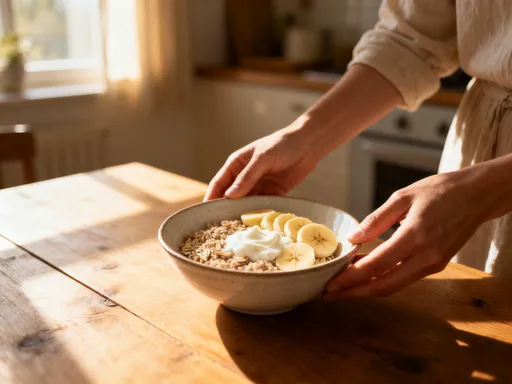
Prebiotic foods are equally important. These are types of fiber that feed your existing good bacteria. Bananas, onions, garlic, asparagus, oats, and apples are all rich in prebiotics. For example, a ripe banana contains resistant starch and inulin, both of which support gut bacteria. Oats provide beta-glucan, a soluble fiber that helps regulate digestion and supports heart health. Including a variety of these foods ensures that different types of beneficial bacteria receive the nourishment they need.
Legumes like lentils, chickpeas, and black beans are excellent sources of fiber and plant-based protein. While some people worry they cause gas, soaking and cooking them properly can improve digestibility. Starting with small portions and gradually increasing intake helps the gut adapt. Pairing beans with herbs like epazote or cumin, traditionally used in cooking legumes, may also reduce gas production.
It’s also worth paying attention to common triggers — not to eliminate them permanently, but to observe their effects. Carbonated drinks can introduce excess air into the digestive tract, leading to bloating. Artificial sweeteners like sorbitol, mannitol, and aspartame are known to cause gas and diarrhea in some people. High-fat meals, especially fried foods, can slow digestion and lead to discomfort. Dairy may be problematic for those with lactose intolerance, though many find they can tolerate yogurt or hard cheeses better than milk.
The goal isn’t to create a rigid list of forbidden foods. Instead, it’s about building awareness. Try pausing one potential trigger for a week — say, soda or processed snacks — and notice how you feel. Then reintroduce it and observe any changes. This process, sometimes called an elimination and reintroduction approach, helps you identify personal sensitivities without unnecessary restrictions. Food should be enjoyable, not feared. By focusing on nourishment and observation, you can create a diet that supports your gut and fits your life.
Listening to Your Body: The Missing Piece in Gut Health
One of the most overlooked aspects of digestive health is learning to listen to your body. In our fast-paced lives, meals are often rushed — eaten at desks, in cars, or between tasks. But digestion begins in the mouth, and thorough chewing is essential for breaking down food and signaling the stomach to prepare for digestion. When you eat quickly, you swallow larger pieces of food and more air, which can lead to bloating and indigestion. Slowing down and chewing each bite 20 to 30 times may feel strange at first, but it can significantly improve how you feel after meals.
Mindful eating also involves tuning in to hunger and fullness cues. Many women eat out of habit, stress, or boredom rather than true hunger. This can lead to overeating and digestive strain. Before eating, pause and ask: Am I truly hungry? After a few bites, check in: How does my stomach feel? Am I starting to feel satisfied? These small moments of awareness help prevent overloading your digestive system and support better portion control.
Another powerful tool is keeping a simple food-mood journal. You don’t need to log every calorie — just note what you ate, how you felt during and after the meal, and any symptoms like bloating, gas, or fatigue. Over time, patterns may emerge. You might notice that certain meals consistently lead to discomfort, or that you feel more energetic when you eat more vegetables. This isn’t about judgment — it’s about gathering information. Your body communicates through symptoms, and a journal helps you decode the message.
It’s also important to remember that digestive responses are highly individual. Just because a food is “healthy” doesn’t mean it agrees with everyone. Broccoli, for example, is rich in fiber and nutrients, but its raffinose content can cause gas in some people. Similarly, gluten-free products aren’t automatically better for digestion — some are highly processed and low in fiber. The key is personalization. What works for your friend or what’s trending online may not be right for you. By tuning in and observing, you become the expert on your own body.
When to Seek Help: Knowing the Limits of Diet
While dietary changes can significantly improve mild to moderate digestive issues, they are not a substitute for medical care. Some symptoms require professional evaluation to rule out underlying conditions. If you experience unexplained weight loss, persistent abdominal pain, blood in your stool, or a sudden change in bowel habits that lasts more than a few weeks, it’s important to see a healthcare provider. These could be signs of conditions like irritable bowel syndrome (IBS), inflammatory bowel disease (IBD), celiac disease, or other gastrointestinal disorders that need diagnosis and treatment.
It’s also worth noting that hormonal changes during perimenopause and menopause can affect digestion. Slower gut motility, increased bloating, and altered bowel habits are common during this stage of life. While diet and lifestyle adjustments can help, working with a doctor ensures you’re addressing the full picture. They may recommend tests, prescribe medication, or suggest working with a registered dietitian for personalized guidance.
Taking charge of your diet is a powerful act of self-care — but so is knowing when to ask for help. You don’t have to suffer in silence or try to fix everything on your own. A healthcare provider can offer support, clarity, and treatment options that go beyond food. Think of it as a partnership: you manage the daily habits, and they provide expertise when needed. Together, you can create a plan that supports long-term digestive health.
Small Steps, Big Shifts
Gut health isn’t about achieving perfection or following the latest trend. It’s about making small, consistent choices that add up over time. You don’t need expensive supplements, extreme diets, or complicated routines. What matters most is showing up for yourself — meal after meal, day after day. By increasing fiber gradually, staying hydrated, reducing processed foods, and tuning in to your body’s signals, you create the conditions for better digestion and greater well-being.
The benefits go beyond physical comfort. When your gut feels balanced, you may notice more energy, improved mood, and greater confidence in your daily life. You might stop worrying about where the nearest bathroom is or avoid certain foods out of fear. These small wins add up to a bigger shift — a sense of harmony between your body and your habits.
Remember, progress is not linear. Some days will be better than others. The goal isn’t to eliminate all discomfort forever — it’s to reduce its frequency and intensity, and to feel empowered in managing it. You already have everything you need to start: awareness, curiosity, and the willingness to try. Your gut has been with you every step of the way. Now, it’s time to listen — and respond with kindness, consistency, and care. One meal at a time, you’re building a healthier, happier relationship with your body.