How Hobbies Heal: The Unexpected Power of Doing What You Love
You don’t need a gym membership or a strict diet to boost your health—sometimes, joy is enough. I discovered this when stress nearly burned me out. What saved me wasn’t medication, but painting, gardening, and playing music—simple hobbies I once called “time-wasters.” Science now confirms what I felt: engaging in hobbies reduces cortisol, improves mood, and even strengthens immunity. This is the quiet, powerful side of wellness most overlook. While the world focuses on fitness trackers and superfoods, a growing body of research reveals that emotional and physical well-being can flourish not through discipline alone, but through delight. Hobbies—those personal, often undervalued activities we do for pure enjoyment—are emerging as a legitimate and accessible form of healing.
The Hidden Crisis of Modern Life: Chronic Stress and Emotional Burnout
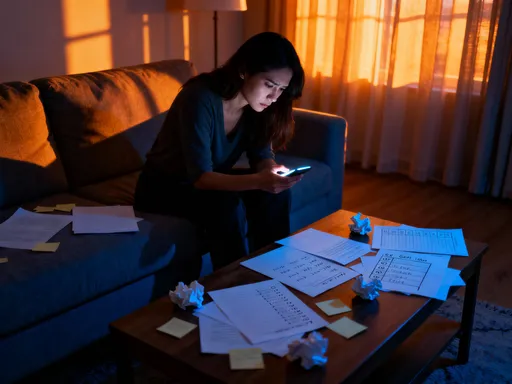
In today’s fast-paced world, chronic stress has become a silent epidemic. Millions of adults, particularly women between the ages of 30 and 55, navigate a daily landscape of responsibilities—managing households, caring for children or aging parents, and often holding down full-time jobs. The cumulative weight of these demands leaves little room for personal fulfillment. This unrelenting pressure doesn’t just lead to fatigue; it triggers a cascade of physiological responses. Long-term exposure to stress hormones like cortisol is linked to a higher risk of heart disease, digestive issues, weakened immune function, and sleep disturbances. Mental health suffers as well, with anxiety, irritability, and emotional numbness becoming common companions.
What makes this crisis more insidious is the cultural narrative that equates worth with productivity. Many women internalize the belief that downtime is indulgent, even irresponsible. They may schedule every hour of the day, leaving no space for unstructured, joyful activity. Yet, rest alone—lying on the couch scrolling through a phone—does not restore the mind in the same way that active engagement does. The absence of stress is not the same as the presence of well-being. True recovery requires more than passive relaxation; it demands meaningful involvement in activities that spark curiosity, creativity, or connection.
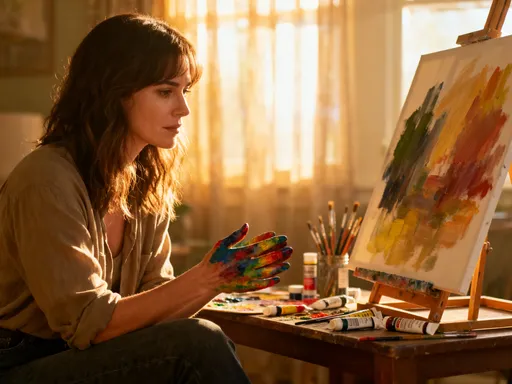
This is where hobbies step in—not as frivolous distractions, but as essential tools for emotional regulation and mental restoration. Unlike work or caregiving, hobbies are self-directed and intrinsically motivated. There is no external pressure to perform or produce results. The freedom to choose what to do, how to do it, and when to stop fosters a sense of autonomy that is often missing in other areas of life. When a woman knits a scarf, paints a landscape, or tends to her herb garden, she is not just passing time—she is reclaiming agency. These small acts of self-expression counterbalance the demands of a life spent serving others, restoring a vital sense of identity beyond roles and responsibilities.
What Are Hobbies, Really? Redefining “Useless” Time
Despite their benefits, hobbies are frequently dismissed as unproductive or even wasteful. Society often values visible output—completed tasks, measurable achievements, financial gain—over the intangible rewards of personal enjoyment. As a result, many women feel guilt when they spend time on activities that don’t contribute to a tangible outcome. But this view misunderstands the nature and purpose of hobbies. A hobby is not defined by its utility, but by its capacity to engage the mind and spirit in a fulfilling way. It is an activity pursued for its own sake, not for external rewards.
Crucially, hobbies differ from passive entertainment. Scrolling social media, binge-watching television, or mindlessly browsing the internet may provide temporary distraction, but they rarely lead to deep satisfaction. In contrast, active hobbies—such as playing an instrument, baking bread from scratch, or learning a new language—require focus, skill, and intention. These activities often lead to a psychological state known as *flow*, a term coined by psychologist Mihaly Csikszentmihalyi. Flow occurs when a person is fully immersed in a task that is challenging yet achievable, losing track of time and self-consciousness. This state is not only enjoyable but also restorative, offering a mental reset from the constant demands of daily life.
Intrinsic motivation is another key element of hobbies. Unlike work, which is driven by external rewards like salary or recognition, hobbies are fueled by internal satisfaction. The joy comes from the process itself—the feel of clay beneath the fingers, the rhythm of a knitting needle, the sound of a chord progression coming together. This self-driven engagement strengthens emotional resilience, reminding individuals that they are more than their roles or responsibilities. A woman who identifies as a gardener, a painter, or a birdwatcher carries a sense of identity that is independent of her job title or family role. This psychological separation is vital for long-term well-being, offering a refuge from the pressures of performance and expectation.
The Science Behind Hobby-Driven Healing
What was once considered anecdotal is now supported by robust scientific evidence. Numerous studies have demonstrated that engaging in regular hobbies has measurable effects on both mental and physical health. One of the most significant findings is the reduction of cortisol, the body’s primary stress hormone. A 2020 study published in the Annals of Behavioral Medicine followed over 100 adults for eight weeks and found that those who spent at least one hour a day on a hobby had significantly lower cortisol levels than those who did not. The effect was consistent across different types of activities, from woodworking to photography, suggesting that the act of engagement itself—not the specific hobby—is what matters most.
Creative hobbies, in particular, have been shown to stimulate the release of dopamine and endorphins, neurotransmitters associated with pleasure and reward. When a person completes a handmade quilt or finishes a watercolor painting, the brain registers this achievement, no matter how small, as a success. This positive feedback loop reinforces motivation and enhances mood. Over time, regular engagement in such activities can help regulate emotional responses, making individuals less reactive to daily stressors. The brain begins to associate moments of focused activity with safety and satisfaction, creating a buffer against anxiety and depression.
Perhaps even more remarkable are the long-term cognitive benefits. Research from the Journal of Neuropsychiatry and Clinical Neurosciences indicates that older adults who engage in hobbies like playing musical instruments, doing crossword puzzles, or gardening have a 30 to 50 percent lower risk of developing cognitive decline or dementia. These activities stimulate neural connectivity, keeping the brain active and adaptable. Even in midlife, taking up a new hobby can enhance cognitive flexibility, improve memory, and delay age-related mental deterioration. The brain, like a muscle, thrives on challenge and novelty—and hobbies provide both in abundance.
Mental Health Benefits: From Anxiety Relief to Emotional Resilience
For women managing the emotional complexities of modern life, hobbies offer a powerful form of emotional regulation. Anxiety often stems from a sense of helplessness or lack of control. Hobbies counteract this by providing a structured yet flexible outlet for expression. When a woman bakes a loaf of sourdough bread, she follows a process—measuring, mixing, waiting, shaping, baking—that requires attention and patience. This step-by-step engagement grounds her in the present moment, reducing rumination and worry. The predictability of the process, combined with the uncertainty of the outcome (will the loaf rise properly?), creates a balanced challenge that keeps the mind occupied without overwhelming it.
Moreover, hobbies foster a sense of accomplishment that is often missing in daily routines. In caregiving or administrative roles, results are frequently intangible or quickly undone—meals are eaten, laundry is worn again, emails pile up. But in a hobby, progress is visible. A knitted scarf grows row by row. A garden blooms season after season. These small victories accumulate, reinforcing self-efficacy and confidence. A 2019 study from the University of Otago found that participants who engaged in creative activities for just 30 minutes a day over two weeks reported significantly higher levels of well-being and lower levels of anxiety. The effect was most pronounced in those who approached their hobby without judgment, embracing imperfection as part of the process.
Emotional resilience is also strengthened through the repetitive nature of hobby practice. Just as physical exercise builds muscle endurance, regular engagement in a hobby builds mental endurance. Over time, individuals learn to tolerate frustration, adapt to setbacks, and persist through challenges. A crocheter whose project unravels doesn’t give up—she unravels and tries again. This quiet persistence translates into other areas of life, making it easier to navigate difficult conversations, manage unexpected changes, or recover from disappointments. Hobbies, in this sense, become a form of emotional training, preparing the mind for the inevitable ups and downs of life.
Physical Health Surprises: Lower Blood Pressure, Better Sleep, Stronger Immunity
The benefits of hobbies extend far beyond the mind. The reduction of chronic stress directly impacts physical health in measurable ways. One of the most well-documented effects is the lowering of blood pressure. A study conducted by the American Heart Association found that participants who engaged in regular leisure activities—such as gardening, playing cards, or attending cultural events—had significantly lower systolic and diastolic blood pressure readings than those who did not. The calming effect of rhythmic, repetitive actions—like stitching, walking in nature, or strumming a guitar—mirrors the physiological benefits of meditation, slowing the heart rate and promoting vascular relaxation.
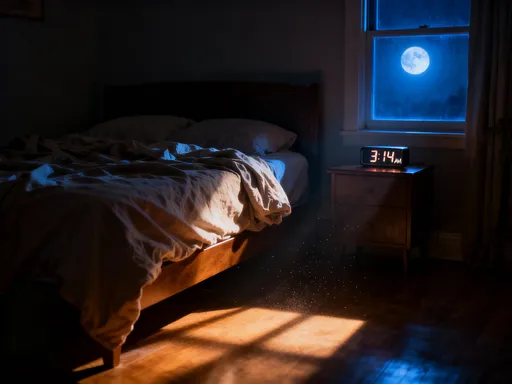
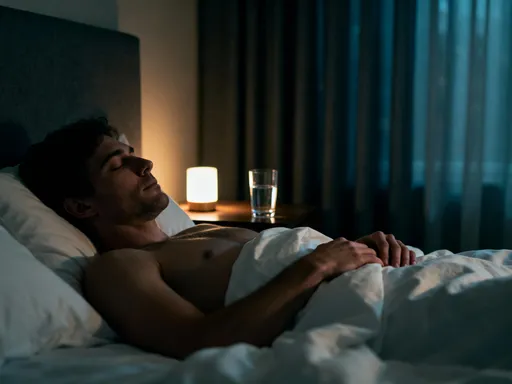
Sleep quality also improves with consistent hobby engagement. Insomnia and fragmented sleep are common among women experiencing stress or hormonal changes, such as perimenopause. However, those who dedicate time to calming hobbies in the evening—such as reading, sketching, or listening to music—report falling asleep faster and experiencing deeper, more restorative sleep. The key lies in the transition from high-stimulation activities (like screen use) to low-stimulation, focused tasks that signal the brain it is time to wind down. Unlike passive screen time, which can overactivate the nervous system, hobbies that involve manual dexterity or creative focus help regulate the nervous system, shifting it from a state of alertness to one of calm.
Perhaps most surprisingly, hobbies have been linked to stronger immune function. Chronic stress suppresses the immune system, making individuals more susceptible to infections and slower to heal. But when stress is reduced through enjoyable activities, immune markers improve. A landmark study from Carnegie Mellon University showed that adults who reported high levels of leisure satisfaction were less likely to develop colds when exposed to the virus, and recovered faster when they did. Researchers attribute this to lower inflammation levels and better regulation of immune cells. In essence, doing what you love isn’t just good for the soul—it may literally help your body fight off illness.
Finding Your Fit: Matching Hobbies to Personality and Lifestyle
With so many potential benefits, the question becomes: how do you choose the right hobby? The answer lies not in trends or social media popularity, but in personal alignment. A sustainable hobby is one that fits your temperament, energy levels, and daily rhythms. For some, the quiet focus of embroidery or journaling provides deep satisfaction. For others, the social interaction of a book club or dance class is more energizing. The goal is not to find the “best” hobby, but the one that feels natural and enjoyable.
A practical framework for choosing begins with self-reflection. Consider your preferences: do you enjoy working with your hands, expressing ideas, being outdoors, or connecting with others? Creative hobbies—like painting, writing, or playing music—appeal to those who value self-expression. Hands-on hobbies—such as woodworking, baking, or pottery—suit individuals who enjoy tangible results. Nature-based activities—like gardening, hiking, or birdwatching—offer both physical movement and mental clarity. Social hobbies—such as volunteering, joining a choir, or taking a class—combine engagement with connection. Skill-building hobbies—like learning a language or mastering a craft—provide a sense of progress and mastery.
Equally important is starting small. Many women abandon hobbies because they set unrealistic expectations—buying expensive supplies, aiming for perfection, or committing to hours of practice. But consistency matters more than intensity. Ten minutes of sketching, fifteen minutes of strumming a ukulele, or a short daily walk in the garden can yield significant benefits over time. The key is regularity, not duration. By beginning with manageable goals, women can build confidence and avoid the frustration that comes from self-imposed pressure. A hobby should feel like a gift, not another task on the to-do list.
Making Space: Building a Hobby Habit Without Guilt or Overload
Even with the best intentions, making time for hobbies can feel impossible. The biggest barriers are not logistical, but psychological: guilt, perfectionism, and the belief that self-care is selfish. Many women struggle to justify spending time on themselves, especially when others depend on them. But this mindset overlooks a fundamental truth: caring for oneself is not a luxury—it is a necessity. Just as an airplane passenger must secure their own oxygen mask before assisting others, a woman must nurture her own well-being to sustain her ability to care for her family.
Practical strategies can help integrate hobbies into a busy schedule. One effective approach is time-blocking—scheduling hobby time as deliberately as a doctor’s appointment or work meeting. Even 15 to 30 minutes a day can make a difference. Some women find success by pairing a hobby with an existing routine: listening to a language app while folding laundry, sketching during a child’s music lesson, or tending to houseplants with morning coffee. The goal is not to add more to the day, but to infuse existing moments with intention and joy.
Letting go of perfectionism is equally crucial. Hobbies are not about producing masterpieces or achieving expertise. A crookedly knitted scarf, a slightly off-key song, or a slightly wilted tomato plant are not failures—they are evidence of effort and presence. Embracing imperfection allows women to reconnect with the childlike joy of trying, exploring, and creating without judgment. Over time, this shift in mindset can transform not only how they approach hobbies, but how they view themselves. Self-worth begins to rest not on productivity or perfection, but on presence, curiosity, and courage.
Reframing hobbies as essential, not optional, is the final step. They are not distractions from a meaningful life—they are part of what makes life meaningful. In a culture that glorifies busyness, choosing to engage in an activity simply because it brings joy is a radical act of self-respect. It says: I matter. My happiness matters. My time matters.
Hobbies aren’t luxuries—they’re essential acts of self-care with deep health returns. By choosing joy, we don’t just survive; we rebuild balance, purpose, and vitality. The simplest prescription might be this: do more of what makes you forget the clock.