How I Tamed My Daily Health Chaos with a Simple Diet System
Ever feel like your daily health routine is falling apart? I did—until I built a simple, repeatable diet system that actually fits real life. No extreme rules, no confusion. Just clear, sustainable choices that made a real difference. This isn’t about perfection. It’s about progress, one meal at a time. Here’s how I made daily healthcare work—naturally and consistently.
The Daily Health Struggle: Why Most People Fail Before They Start
Many women in their 30s, 40s, and 50s want to feel healthier, more energized, and in control of their bodies. Yet so many begin each week with good intentions—only to find themselves exhausted, overwhelmed, and reaching for whatever is quick and convenient by midweek. The problem isn’t a lack of willpower. The real issue is a lack of structure. Without a clear, repeatable system, even the most determined efforts collapse under the weight of daily demands—work, family, household responsibilities, and the endless cycle of decision fatigue.
Consider the common patterns: skipping breakfast because the morning rush never leaves time, eating lunch at the desk without truly tasting it, grabbing a sugary snack in the afternoon to fight fatigue, and finally preparing a meal late in the evening—often too heavy, too large, or too processed. These habits don’t stem from poor character or laziness. They emerge from a system that wasn’t designed for real life. Emotional eating, impulse purchases at the grocery store, and misinformation from social media all contribute to a cycle of confusion and inconsistency.
Research shows that the average adult makes over 200 food-related decisions each day. That number is staggering—and unsustainable without a guiding framework. When every choice requires mental effort, it’s no wonder people burn out. A structured diet system doesn’t eliminate choices; it reduces their frequency and emotional weight. By creating simple rules—like what to eat for breakfast or how to prepare snacks in advance—decision fatigue is minimized, and healthy habits become automatic. This shift from reactive to proactive eating is the foundation of lasting change.
The truth is, health isn’t built through dramatic overhauls. It’s built through small, consistent actions repeated over time. A system that respects your schedule, preferences, and energy levels is far more likely to succeed than any rigid, one-size-fits-all diet. The goal isn’t to be perfect. It’s to create a rhythm that supports your body and mind every day, without constant struggle.
What a Real Diet System Looks Like (Spoiler: It’s Not a “Diet”)
When most people hear the word “diet,” they think of restriction, deprivation, and short-term fixes. But a true diet system is nothing like that. It’s not about cutting out entire food groups or counting every calorie. Instead, it’s a flexible, sustainable framework for everyday eating—one that balances nutrition, timing, and personal enjoyment. Think of it like a well-organized closet: everything has a place, and you always know where to find what you need. It’s not flashy, but it makes life easier.
A successful system focuses on three core principles: consistency over intensity, meal rhythm, and food quality. Consistency means eating in a predictable pattern—similar times, similar portions, balanced nutrients—rather than swinging between extremes. Meal rhythm refers to the timing and spacing of meals, which helps regulate blood sugar, energy, and appetite. Food quality emphasizes whole, minimally processed ingredients that provide lasting fuel, not just temporary satisfaction.
For example, instead of banning carbohydrates or fats, the system encourages choosing better versions—brown rice over white, olive oil over margarine, fresh fruit over fruit-flavored snacks. These upgrades don’t require willpower; they require planning. When your kitchen is stocked with nutritious options, healthier choices become the default, not the exception. The system isn’t about being flawless. It’s about making slightly better decisions most of the time, which over weeks and months leads to real results.
One of the most powerful aspects of this approach is its adaptability. Life changes—holidays, travel, busy seasons—and a rigid diet often fails under those pressures. But a flexible system allows for adjustments without collapse. You can still enjoy a slice of birthday cake or a restaurant meal without derailing your progress. The key is returning to your routine the next meal, not the next month. This mindset shift—from all-or-nothing to steady progress—makes long-term success possible.
My Morning Reset: How Breakfast Sets the Tone for the Day
For years, I either skipped breakfast or grabbed a muffin and coffee on the go. By 10:30 a.m., I was shaky, irritable, and already thinking about lunch. My focus faded by noon, and I’d reach for candy or soda to stay awake. I didn’t realize how much my morning choices were affecting my entire day—until I made one simple change: eating a balanced breakfast within one hour of waking.
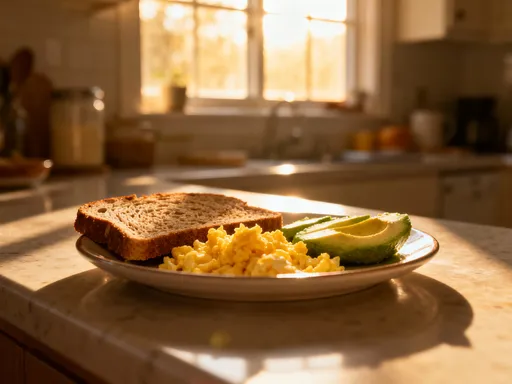
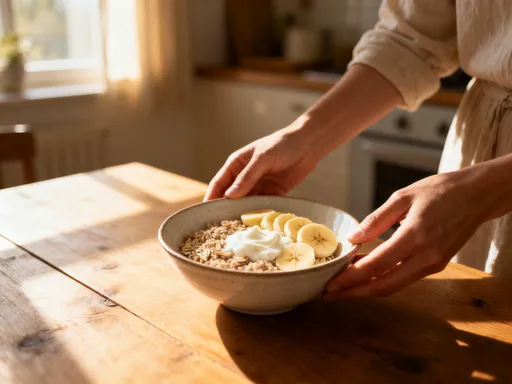
My rule now is simple: include protein, fiber, and healthy fat every morning. That might mean scrambled eggs with spinach and avocado, Greek yogurt with berries and chia seeds, or oatmeal made with milk, nuts, and a spoon of nut butter. These meals take less than 10 minutes to prepare, but the impact is profound. I stay full longer, my energy stays steady, and my cravings for sweets disappear by mid-afternoon.
The science behind this is clear. After fasting overnight, your body needs fuel to restart metabolism and support brain function. Eating protein and fat early helps stabilize blood sugar, preventing the spikes and crashes that lead to fatigue and overeating later. Fiber slows digestion, keeping you satisfied and supporting gut health. Skipping breakfast or choosing a high-sugar option—like a pastry or sweetened cereal—triggers a rapid insulin response, followed by a crash that leaves you hungry and low on energy.
Studies have shown that people who eat a balanced breakfast are more likely to maintain a healthy weight, have better concentration, and make healthier food choices throughout the day. For busy women managing households and careers, this small habit creates a ripple effect. When you start the day feeling strong and focused, you’re more likely to make intentional choices later—whether it’s saying no to office cookies or choosing a walk over scrolling on the couch. Breakfast isn’t just a meal. It’s the first step in taking care of yourself.
Meal Prep Without the Madness: The 3-Day Flip Method
Meal prep often feels like a chore—hours of chopping, cooking, and cleaning, only to eat the same thing all week. I tried full weekly prep, but the food lost freshness by day four, and I burned out fast. Then I discovered the 3-Day Flip Method: cooking half your meals every three days. It cuts time in half, keeps food tasting better, and prevents kitchen fatigue.
Here’s how it works: On Sunday, I cook a large batch of quinoa or brown rice, roast two sheet pans of vegetables—like sweet potatoes, broccoli, and bell peppers—and grill or bake four portions of chicken, fish, or tofu. I store these in clear glass containers in the fridge. By Wednesday, I repeat the process for the second half of the week. This way, nothing sits longer than three days, and I always have fresh, ready-to-eat components.
The beauty of this method is its simplicity. I don’t make full meals in advance. Instead, I create building blocks that can be mixed and matched. One night, I’ll combine quinoa, roasted veggies, and chicken with a tahini dressing. The next, I’ll use the same ingredients in a lettuce wrap. Flexibility prevents boredom, and having pre-cooked elements means dinner takes 10 minutes, not an hour.
This approach also reduces food waste. Because I’m only prepping for three days at a time, I can adjust based on what’s on sale or what my family wants. It’s practical, not perfect. And for women juggling multiple responsibilities, practicality is what makes a habit stick. The 3-Day Flip isn’t about gourmet cooking. It’s about creating a system that saves time, supports health, and fits real life.
Snacking Smarter: From Mindless Munching to Purposeful Fueling
Snacks used to be my downfall. I’d open the pantry out of habit, not hunger, and end up eating chips, cookies, or whatever was within reach. I didn’t realize how much those small, unplanned calories were adding up—until I started tracking them. More importantly, I saw how poor snacks left me sluggish, bloated, and hungrier later.
The turning point came when I started treating snacks like mini-meals with purpose. Instead of grabbing whatever was easy, I began planning two daily snacks—mid-morning and mid-afternoon—each combining protein and fiber. My go-to options now include apple slices with almond butter, cottage cheese with pineapple, hard-boiled eggs with cucumber, or hummus with carrot sticks.
Pre-portioning is key. I spend 15 minutes on Sunday evening dividing snacks into small containers or reusable bags. When hunger strikes, I reach for something healthy that’s already ready. This simple act removes the temptation to raid the pantry. Visibility matters, too. I keep healthy snacks at eye level in the fridge and pantry, and I store less healthy options out of sight—or better yet, don’t buy them at all.
Smart snacking does more than prevent overeating at meals. It keeps blood sugar stable, supports metabolism, and maintains energy levels. When your body gets consistent fuel, it doesn’t go into “starvation mode,” which can slow digestion and increase fat storage. Purposeful snacking also reduces evening cravings, making it easier to eat a light, balanced dinner and avoid late-night binges. For women navigating hormonal shifts, especially in perimenopause and menopause, this balance is essential for managing weight and mood.
The Hidden Power of Hydration and Routine
I used to think I drank enough water. I had a glass with meals and maybe one in between. But when I started tracking my intake, I realized I was chronically dehydrated—especially in the afternoon, when my energy dipped and my skin felt dry. I began carrying a reusable water bottle and set a goal of drinking one glass first thing in the morning, then sipping consistently throughout the day.
The change was almost immediate. My afternoon fatigue lessened, my digestion improved, and I felt less bloated. Dehydration is often mistaken for hunger, which can lead to unnecessary snacking. When I’m properly hydrated, I can tell the difference between true hunger and thirst. Water also supports kidney function, helping the body flush out waste and maintain electrolyte balance.
But hydration works best when paired with routine. Eating at consistent times—breakfast within an hour of waking, lunch around noon, dinner by early evening—helps regulate the body’s internal clock. This rhythm improves digestion, stabilizes appetite, and supports better sleep. When your body knows when to expect food, it doesn’t go into survival mode, storing fat “just in case.”
Creating a daily rhythm doesn’t mean rigid scheduling. It means aiming for consistency—within a one-hour window, for example—so your body can anticipate and prepare. This predictability reduces stress on the digestive system and helps prevent energy crashes. For women managing hormonal fluctuations, a stable routine can ease symptoms like bloating, mood swings, and fatigue. Hydration and timing may seem minor, but together, they form the quiet foundation of lasting health.
Long-Term Wins: Turning Daily Choices into Lifelong Health
After six months of following this system, the changes were undeniable. I had steady energy throughout the day, fewer cravings, better sleep, and a stronger sense of control over my health. I wasn’t counting calories or weighing myself daily. I wasn’t chasing a number on the scale. Instead, I was building a lifestyle that supported my body naturally.
The real victory wasn’t in weight loss—it was in how I felt. I could keep up with my kids, enjoy walks without exhaustion, and approach each day with more clarity and calm. I no longer felt guilty about eating or anxious about food choices. Because the system was sustainable, I didn’t feel deprived. I could enjoy a slice of pizza at a family dinner or a piece of cake at a party—without fear of failure.
This is the power of consistency over intensity. Small, daily actions—eating a balanced breakfast, prepping meals in advance, drinking water, choosing smart snacks—compound over time. They build resilience, not just in the body, but in mindset. You begin to trust yourself. You learn that health isn’t about perfection. It’s about showing up, day after day, with kindness and intention.
For women in midlife, this approach is especially valuable. Metabolism slows, hormones shift, and energy levels fluctuate. A rigid, extreme diet only adds stress. But a flexible, repeatable system adapts to your changing needs. It’s not a punishment. It’s a form of self-care—a way to honor your body and support your well-being for years to come.
Daily healthcare doesn’t require radical change. It needs a clear, simple system that fits your life. My diet plan isn’t about restriction—it’s about rhythm, balance, and making better choices automatic. When you stop fighting your routine and start designing it, real progress begins. Your health isn’t built in a day. It’s built at every meal.