What I Learned Building Muscle the Smart Way – No Gym Hype, Just Real Food
Building muscle isn’t just about lifting weights—it’s about fueling your body the right way. I used to think more protein meant faster gains, but I was tired, sore, and not seeing results. Then I shifted my focus to balanced nutrition, timing, and real foods. The change wasn’t overnight, but it stuck. This is what actually worked for me: a practical, science-backed approach to eating for muscle growth without extreme diets or supplements. It wasn’t about perfection, but consistency—eating real food, recovering well, and respecting how the body actually builds strength over time. What started as a personal experiment became a lasting lifestyle.
The Muscle-Building Myth We All Believed
For years, the message was clear: lift heavy and eat protein. That’s what fitness magazines, social media, and even trainers emphasized. So I followed it—pushing hard in the gym, chugging protein shakes, and cutting out carbs to stay “lean.” But despite my effort, progress stalled. My energy dipped, recovery took longer, and my clothes didn’t fit any better. I was doing everything “right,” yet something was missing. The turning point came when I realized I wasn’t eating enough total food to support growth. I had bought into the myth that protein alone builds muscle, but in reality, muscle growth requires energy—enough calories to repair tissue and fuel adaptation.
This misconception is widespread, especially among those new to strength training. Many believe that if they just consume more protein, their bodies will automatically convert it into muscle. But without sufficient total energy from food, the body cannot effectively synthesize new muscle tissue. In fact, when calorie intake is too low, excess protein may be used for energy rather than muscle repair, which defeats the purpose. The real issue wasn’t my workouts—they were consistent and challenging. It was my nutrition. I was under-fueling, especially around my training windows, and missing key nutrients that support recovery.
The breakthrough came when I learned about the concept of a caloric surplus—eating slightly more calories than my body burns each day. This surplus provides the foundation for muscle growth. At the same time, I began to understand nutrient timing: consuming balanced meals before and after workouts helped me recover faster and feel stronger in subsequent sessions. Instead of obsessing over grams of protein, I started paying attention to overall meal quality, food timing, and how I felt throughout the day. That shift in mindset—away from restriction and toward nourishment—was the real game-changer.
What Muscle Growth Really Needs (Beyond the Gym)
Muscle growth happens not during the workout, but afterward, during recovery. When you lift weights, you create tiny tears in your muscle fibers. In response, your body activates a process called muscle protein synthesis—the rebuilding of those fibers stronger and larger than before. But this process doesn’t run on willpower or motivation. It runs on nutrients, rest, and consistency. And while protein is essential for providing the amino acids needed for repair, it cannot work in isolation. The body also needs energy from carbohydrates and fats, along with adequate hydration and quality sleep, to complete the rebuilding process efficiently.
One of the most important lessons I learned is that “eat more protein” is only half the story. Without enough total daily calories, the body remains in a state of conservation, prioritizing basic functions over muscle growth. This is especially true for women, whose bodies are often more sensitive to energy deficits. When calories are too low, hormonal signals shift, stress hormones like cortisol rise, and recovery slows. Even with perfect form in the gym, progress halts because the body simply doesn’t have the resources to build new tissue.
Energy balance—matching intake with expenditure—is critical. For muscle gain, a modest surplus of 200–300 calories per day is usually enough to support growth without excessive fat gain. This surplus should come from nutrient-dense foods, not junk food, to ensure the body receives vitamins, minerals, and fiber alongside energy. Additionally, factors like sleep and stress play a surprisingly large role. Poor sleep disrupts hormone regulation, including testosterone and growth hormone, both of which support muscle development. Chronic stress can lead to muscle breakdown over time, counteracting training efforts. Therefore, building muscle isn’t just a physical challenge—it’s a holistic one that involves lifestyle, mindset, and daily habits.
My Plate: What I Actually Eat in a Day
I don’t follow a strict diet plan or count every calorie. Instead, I focus on eating balanced, satisfying meals made from whole foods. My approach is simple: include protein, complex carbohydrates, healthy fats, and vegetables at each meal. This combination keeps my energy steady, supports recovery, and prevents overeating later in the day. I’ve found that when I eat this way, I don’t feel deprived, and I rarely crave processed snacks. My meals aren’t fancy, but they’re nourishing and sustainable for the long term.
A typical day starts with scrambled eggs cooked in olive oil, served with sliced avocado and a slice of whole grain toast. Sometimes I add spinach or tomatoes for extra nutrients. This breakfast provides high-quality protein, healthy fats, and slow-digesting carbohydrates to fuel my morning. If I have a workout later in the day, I’ll include a piece of fruit—like a banana or apple—to boost glycogen stores. For lunch, I often prepare a bowl with brown rice, grilled chicken or lentils, steamed broccoli, and a drizzle of tahini or olive oil. This meal is rich in fiber, plant-based protein, and complex carbs, keeping me full and focused through the afternoon.
Before a workout, I eat a small, easily digestible meal about one to two hours prior. This might be Greek yogurt with oats and berries or a sandwich with turkey and hummus. The goal is to provide energy without discomfort. After training, I aim to eat a balanced meal within two hours. A favorite post-workout dinner is baked salmon with quinoa and roasted sweet potatoes. This combination delivers complete protein, anti-inflammatory omega-3s, and replenishing carbohydrates. I don’t force myself to eat immediately after lifting, but I listen to my body—if I’m hungry, I eat. If not, I wait until my next regular meal.
I don’t track portions obsessively. Instead, I adjust based on how I feel. If I’m tired or sore, I know I may need more food. If I’m energized and recovering well, I maintain. This intuitive approach has helped me avoid burnout and stay consistent. I also allow room for flexibility—enjoying a slice of pie at a family gathering or eating out with friends doesn’t derail progress. Consistency over perfection is the key. By focusing on real food and regular eating patterns, I’ve built a routine that supports muscle growth without feeling restrictive.
The Role of Carbs—Yes, Really
For years, I avoided carbohydrates, believing they would make me gain fat. I cut out bread, rice, and even fruit, thinking I was doing my body a favor. But what I didn’t realize was that I was sabotaging my workouts and recovery. Carbohydrates are the body’s preferred source of energy, especially during intense physical activity. When glycogen stores—the stored form of carbs in muscles and liver—are low, performance suffers. Workouts feel harder, endurance drops, and motivation wanes. Without enough carbs, the body may even break down muscle tissue for energy, which is the opposite of what I wanted.
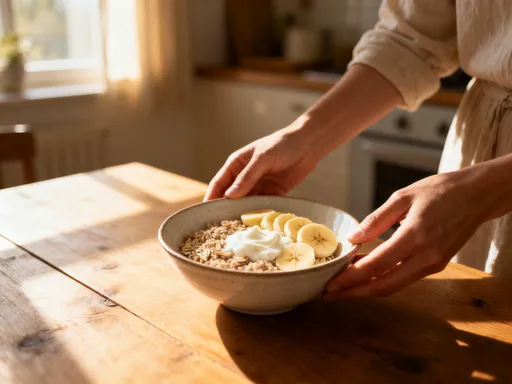
Once I reintroduced quality carbohydrates into my diet, everything changed. I started eating oats for breakfast, brown rice with meals, and sweet potatoes after workouts. I included fruits like bananas, apples, and berries throughout the day. These foods provided sustained energy and helped replenish glycogen after training. I noticed I could lift heavier, push harder, and recover faster. My mood improved, and I no longer felt mentally foggy in the afternoons. Carbs weren’t the enemy—they were the fuel I had been missing.
It’s important to distinguish between refined and complex carbohydrates. Refined carbs—like white bread, pastries, and sugary snacks—can cause blood sugar spikes and crashes, leading to fatigue and cravings. But complex carbs—whole grains, legumes, starchy vegetables, and fruits—release energy slowly and provide fiber, vitamins, and minerals. These are the types of carbs that support muscle growth. Including them in every meal helps maintain steady blood sugar and ensures a constant supply of energy for both daily life and workouts.
I now aim to pair carbohydrates with protein and fat at each meal. This combination slows digestion, enhances satiety, and supports muscle repair. For example, a meal of chicken, quinoa, and roasted vegetables provides protein for muscle synthesis, carbs for energy replenishment, and fats for hormone support. This balanced approach has proven far more effective than any low-carb or high-protein-only phase I’ve tried. Carbs are not optional for muscle building—they are essential.
Fats That Help, Not Hinder
Like carbohydrates, dietary fat was once something I feared. I avoided nuts, oils, and full-fat dairy, opting instead for “light” or “fat-free” versions of foods. But over time, I noticed my skin became dry, my hair brittle, and my hormones seemed off. I learned that healthy fats play a crucial role in hormone production, including those involved in muscle growth and recovery. Cutting them out was doing more harm than good. Fats are not the cause of weight gain when consumed in balance—they are a vital part of a healthy, functional body.
I now include sources of healthy fats in my daily meals. Avocado slices on toast, a handful of almonds as a snack, olive oil in salad dressings, and fatty fish like salmon twice a week have become staples. These foods provide monounsaturated and polyunsaturated fats, including omega-3 fatty acids, which help reduce inflammation and support joint health—important for anyone engaging in regular strength training. Nuts and seeds also offer plant-based protein and fiber, making them a nutrient-dense addition to any diet.
Portion control is important, but I no longer fear fat. A tablespoon of olive oil, a quarter of an avocado, or a small handful of nuts is enough to gain benefits without overconsuming calories. I use fats to add flavor and satisfaction to meals, which helps prevent overeating later. For example, adding a spoonful of tahini to a grain bowl makes it more enjoyable and filling. This simple change has made healthy eating feel less like a chore and more like a pleasure.
I avoid processed fats—like hydrogenated oils and trans fats found in many packaged snacks and fried foods—as they contribute to inflammation and long-term health risks. But I don’t hesitate to enjoy real, whole-food sources of fat. They are not only safe but necessary for optimal body function. By embracing healthy fats, I’ve improved my energy, skin, and overall well-being, all of which support consistent training and muscle development.
Hydration, Routines, and Small Habits That Add Up
One of the simplest yet most overlooked aspects of muscle building is hydration. Water plays a vital role in nearly every bodily function, including nutrient transport, temperature regulation, and joint lubrication. Even mild dehydration can impair strength, focus, and recovery. I used to drink little water, relying on coffee and tea throughout the day. But when I started carrying a reusable bottle and aiming for at least eight cups daily, I noticed improvements in my workouts and digestion. Proper hydration helps muscles function efficiently and reduces the risk of cramps and soreness.
Beyond nutrition, daily routines have a powerful impact on progress. I prioritize consistent sleep—aiming for seven to eight hours each night. During sleep, the body repairs muscle tissue, balances hormones, and consolidates strength gains. Skipping sleep, even for a few nights, can undo days of hard work. I’ve also incorporated light movement on rest days, like walking or stretching, to improve circulation and reduce stiffness. These small habits may seem minor, but they compound over time, creating a foundation for sustainable progress.
Regular meal times have also made a difference. Eating every three to four hours helps maintain energy levels and prevents extreme hunger, which can lead to overeating. I practice mindful eating—sitting down to meals, chewing slowly, and paying attention to fullness cues. This approach has improved my digestion and helped me tune into my body’s true needs. I no longer eat out of boredom or stress, and I’ve developed a healthier relationship with food.
Perhaps most importantly, I’ve learned to listen to my body instead of chasing soreness or pushing through fatigue. Muscle growth doesn’t come from constant punishment—it comes from consistent, intelligent effort paired with recovery. Taking rest days, adjusting workouts when needed, and honoring how I feel each day have allowed me to stay consistent without burnout. These small, daily habits have become the backbone of my success.
Putting It All Together—A Flexible, Sustainable Approach
Looking back, the biggest mistake I made was treating muscle building like a short-term challenge. I followed rigid plans, eliminated entire food groups, and expected quick results. But real progress came when I shifted to a flexible, sustainable approach. Instead of aiming for perfection, I focused on consistency. I allowed myself to enjoy meals with family, adapt to busy schedules, and make choices based on how I felt rather than strict rules. This mindset change made all the difference.
I adjusted my eating based on progress, energy levels, and mood. If I felt weak, I added more calories. If I was recovering slowly, I prioritized sleep and hydration. If I lost motivation, I revisited my reasons for starting—to feel strong, healthy, and capable. This responsive approach kept me on track without feeling trapped. I stopped comparing myself to others and focused on my own journey. Over time, the changes became automatic—eating well, moving regularly, resting fully—until it simply became my way of life.
Muscle building is not about extreme diets, expensive supplements, or punishing workouts. It’s about creating a lifestyle that supports long-term health and strength. It’s about respecting your body’s needs, fueling it with real food, and allowing time for growth. The results may not be immediate, but they are lasting. What began as a goal to gain muscle evolved into a deeper commitment to self-care and well-being. I now see strength not just in how much I can lift, but in how I feel every day—energized, resilient, and in tune with my body.
This approach is not a quick fix. It’s a long-term investment—one that pays dividends in energy, confidence, and health. For anyone starting their journey, I encourage you to focus less on perfection and more on consistency. Eat real food, move your body, rest well, and be patient. The results will follow. Building muscle isn’t just about appearance; it’s about building a stronger, healthier version of yourself that lasts a lifetime.