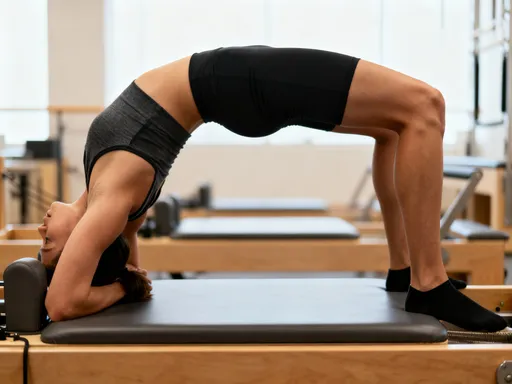
How I Got My Strength Back After Injury – Real Talk on Recovery Exercises
Recovering from an injury can feel like climbing a mountain with no path. I’ve been there—frustrated, slow to progress, and unsure what moves actually helped. Western medicine guided my rehab, but it was the daily exercise plan that made the difference. This isn’t about miracles; it’s about consistency, science-backed movement, and listening to your body. If you're healing, this is what really worked for me—and why you should always check with your doctor first.
The Breaking Point: When My Body Forced Me to Stop
It started with a dull ache that I dismissed as fatigue. I was in my early 40s, juggling work, family, and household responsibilities. Pain wasn’t new—like many women my age, I associated discomfort with being busy. But when the ache turned into sharp, radiating pain down my leg after lifting a heavy laundry basket, I could no longer ignore it. That moment marked the beginning of a journey I hadn’t anticipated. An MRI confirmed what my body had been trying to tell me: a lumbar disc herniation was pressing on a nerve. The diagnosis came from a trusted orthopedic specialist, who explained that rest alone wouldn’t fix it. I needed a structured rehabilitation plan.
Emotionally, the diagnosis hit harder than the physical pain. I felt defeated. For years, I prided myself on being the person who could handle everything—cooking meals, driving carpools, managing schedules—without complaint. Now, even standing for more than ten minutes became a challenge. Simple tasks like bending to tie a shoe or reaching for a high shelf felt impossible. There were days I cried in frustration, not just from the pain but from the loss of independence. I worried about burdening my family. I felt isolated, as though no one truly understood how much I was struggling beneath the surface.
My doctor referred me to physical therapy, which became the foundation of my recovery. The first session was humbling. I was asked to perform basic movements—lifting a leg slightly off the table, rotating my ankle, pressing my lower back gently into the floor—and even these small actions caused discomfort. But my therapist didn’t judge. Instead, she emphasized that healing wasn’t about strength at first; it was about awareness, control, and retraining my body. That shift in mindset—from pushing through pain to honoring my body’s limits—was the first real step toward progress.
Why Movement Heals: The Science Behind Rehab Exercises
At first, the idea of exercising while injured felt counterintuitive. Wouldn’t movement make things worse? What I learned is that the right kind of movement doesn’t harm—it heals. In modern rehabilitation science, controlled, progressive exercise is not just encouraged; it’s essential. When soft tissues like muscles, tendons, or ligaments are injured, they need stimulation to repair properly. Without movement, scar tissue can form in disorganized patterns, leading to stiffness and long-term dysfunction. But when guided exercise is introduced, it promotes the realignment of collagen fibers, improving tissue strength and flexibility over time.
Blood flow is another critical factor. Movement increases circulation to injured areas, delivering oxygen and nutrients necessary for cellular repair. It also helps remove metabolic waste products that accumulate during inflammation. This is why prolonged bed rest is no longer recommended for most musculoskeletal injuries. Instead, early mobilization—starting with gentle, low-impact activities—supports faster healing. For someone recovering from a back injury, even small movements like ankle pumps or pelvic tilts can enhance blood flow to the lower spine, reducing swelling and promoting tissue regeneration.
Equally important is neuro-muscular re-education—the process of retraining the brain to communicate effectively with weakened or inhibited muscles. After an injury, the body often compensates by shifting movement patterns. For example, if the glutes become inactive due to pain, other muscles like the hamstrings or lower back may take over, leading to imbalances and increased strain. Rehab exercises help reactivate the correct muscle groups, restoring proper biomechanics. This is why form and intention matter more than speed or repetitions. It’s not about how many times you lift your leg, but whether you’re engaging the right muscles with control.
Western medicine increasingly recognizes physical rehabilitation as a cornerstone of recovery. Doctors, physical therapists, and pain specialists collaborate to design individualized programs based on diagnosis, severity, and patient goals. These plans are not one-size-fits-all; they evolve as healing progresses. The integration of evidence-based exercise into medical treatment reflects a shift from passive care—like medication and rest—to active recovery, where patients play a central role in their healing. This partnership between medical guidance and personal effort is what makes sustainable recovery possible.
My First Steps: Starting Small Without Making It Worse
When I began physical therapy, I was eager to do more than I should. I wanted quick results, so I pushed through discomfort, thinking I was being disciplined. What I didn’t realize was that I was setting myself back. My therapist quickly corrected my approach: “Healing isn’t about effort; it’s about precision.” She introduced me to range-of-motion exercises—gentle movements designed to maintain joint mobility without straining healing tissues. These included lying on my back and slowly bringing one knee toward my chest, or rotating my ankle in small circles while seated. They seemed too simple to make a difference, but they were the foundation of my recovery.
Pacing was crucial. I learned to break my exercises into short sessions—five to ten minutes, two or three times a day—rather than one long workout. This approach reduced fatigue and prevented flare-ups. My therapist emphasized the importance of consistency over intensity. It wasn’t about how hard I worked, but whether I showed up every day with proper form. She also taught me to recognize warning signs. Sharp pain, increased stiffness the next day, or radiating discomfort were signals to stop and reassess. Distinguishing between discomfort and danger became a skill I had to develop.
One of my early mistakes was doing extra repetitions at home because I thought more was better. The next morning, my lower back was worse. My therapist explained that inflammation can be delayed—what feels fine immediately after exercise might cause problems hours later. She helped me create a symptom journal, where I noted pain levels, energy, and any changes in mobility. Over time, patterns emerged. I saw that skipping warm-ups or rushing through movements led to setbacks, while slow, mindful practice supported steady progress. This data gave me confidence and helped me take ownership of my recovery.
The Core Four: Exercises That Actually Made a Difference
Not all exercises were created equal in my rehab journey. Four foundational movements became the backbone of my routine, prescribed based on my diagnosis and functional goals. These weren’t flashy or intense, but they targeted key areas affected by my injury: core stability, hip strength, and lower limb circulation. My physical therapist chose them because they could be modified for my pain level, performed safely at home, and provided measurable progress over time.
The first was the glute bridge. Lying on my back with knees bent and feet flat on the floor, I learned to lift my hips by squeezing my glutes, not arching my lower back. This exercise reactivated muscles that had become dormant due to pain inhibition. Strong glutes support the pelvis and reduce strain on the lower back, making everyday movements like standing up from a chair easier. I started with two sets of ten repetitions, focusing on slow, controlled motion. Over weeks, I noticed improved stability when walking and less fatigue by the end of the day.
Next was the seated leg lift. Sitting in a sturdy chair, I straightened one leg slowly until it was parallel to the floor, held for a few seconds, then lowered it. This targeted the quadriceps and hip flexors, which are often weakened after prolonged inactivity. What made this effective was the emphasis on form—keeping my back straight and avoiding momentum. I did three sets of eight per leg, gradually increasing as strength improved. This movement helped me regain confidence in climbing stairs and prevented that shaky feeling when standing from a seated position.
The third exercise was the wall push-up. Standing at arm’s length from a wall, I performed push-ups against it, engaging my chest, shoulders, and core. Unlike floor push-ups, this version reduced strain on the spine while still promoting upper body strength and posture. Good posture is essential for spinal health, especially after a back injury. I started with two sets of ten and eventually progressed to incline push-ups on a countertop. This small change made daily tasks like carrying groceries or opening heavy doors feel more manageable.
Finally, the ankle pump played a surprisingly vital role. While lying down, I pointed and flexed my feet repeatedly. It seemed minor, but it boosted circulation in my legs, reducing swelling and preventing stiffness. For someone with limited mobility, this simple action helped maintain vascular health and decreased the risk of complications from inactivity. I did this for one to two minutes several times a day, often while watching TV or talking on the phone—proof that recovery could fit into real life.
Building Momentum: From Basic Moves to Functional Strength
As my pain decreased and strength improved, my exercises evolved. My therapist introduced more dynamic movements that mimicked daily activities. This phase focused on functional strength—building the ability to move safely and efficiently in real-world situations. One of the first progressions was stepping exercises. I practiced stepping forward and backward over a low threshold, which improved coordination and balance. These drills prepared me for walking longer distances without fatigue.
Balance training became a key component. I started with simple standing exercises—feet together, then progressing to a single-leg stance with support. My therapist used a foam pad to challenge my stability, which helped retrain my proprioception, the body’s ability to sense its position in space. Better balance meant fewer stumbles and greater confidence, especially on uneven surfaces like sidewalks or gravel paths. This was particularly important as I returned to walking my dog and navigating busy parking lots.
Resistance bands were introduced to add gentle load without joint stress. I used them for lateral walks, shoulder rotations, and leg abductions. The bands provided variable resistance, allowing me to increase difficulty gradually. Unlike weights, they were portable and safe to use at home. I followed a structured plan—two to three sets of twelve repetitions, focusing on smooth motion and muscle engagement. Over time, I noticed real improvements: I could carry laundry baskets without pain, stand in the kitchen for longer periods, and play with my grandchildren without needing to sit down afterward.
Sleep quality also improved. Early in recovery, pain disrupted my rest, leaving me exhausted. As my strength returned, so did my ability to find comfortable sleeping positions. I invested in a supportive mattress and used pillows strategically to align my spine. Better sleep enhanced my recovery further, creating a positive feedback loop—more rest led to less pain, which allowed for more activity.
Common Mistakes I Made (So You Don’t Have To)
Recovery wasn’t linear, and I made my share of missteps. One of the biggest was skipping warm-ups. On days when I felt good, I’d jump straight into exercises, eager to make progress. But cold muscles are more prone to strain. I learned this the hard way when a sudden twinge in my hamstring set me back by days. Now, I always begin with five minutes of gentle movement—ankle pumps, shoulder rolls, or deep breathing—to prepare my body.
Another mistake was comparing my progress to others. I followed online forums where people shared their recovery timelines, and I felt discouraged when I wasn’t moving as fast. My therapist reminded me that healing is personal. Factors like age, injury severity, lifestyle, and overall health influence recovery speed. What worked for someone else might not apply to me. Letting go of comparison allowed me to focus on my own journey and celebrate small victories, like walking to the mailbox without stopping.
I also misinterpreted pain signals early on. I thought if something didn’t hurt during the exercise, it was safe. But delayed soreness or increased stiffness the next day was my body’s way of saying I’d gone too far. I learned to use a pain scale from one to ten, aiming to stay below a three during and after exercise. Anything higher meant I needed to reduce intensity or frequency. Ignoring these cues only prolonged my recovery.
Lastly, I occasionally strayed from my prescribed plan, trying exercises I saw online or heard about from friends. Some were inappropriate for my condition and caused flare-ups. I realized that not all advice is right for every body. Sticking to my therapist’s guidance, even when it felt slow, was the safest and most effective path. When I finally embraced patience and consistency, my progress became more stable and lasting.
Staying on Track: Making Exercise a Sustainable Habit
One of the greatest challenges wasn’t starting—it was staying consistent. Life gets busy, and on stressful days, exercise was the first thing I’d skip. To build a sustainable routine, I scheduled my exercises like appointments. I chose times when I was most alert—usually mid-morning—and set reminders on my phone. I kept my resistance bands and therapy mat in a visible spot, reducing the mental barrier to starting.
Tracking progress helped me stay motivated. I used a simple calendar to mark completed sessions and noted small wins—“walked around the block,” “no pain after cooking.” Seeing a streak of checkmarks gave me a sense of accomplishment. I also involved my family, explaining my goals so they could support me. My husband would do stretches with me, and my kids cheered when I reached milestones. This accountability made a difference.
Mindset played a crucial role. I shifted from seeing exercise as a chore to viewing it as an act of self-care. Each movement was a promise to myself—to heal, to regain strength, to live fully. I celebrated non-scale victories: better posture, improved sleep, the ability to garden without discomfort. Patience became my ally. I accepted that some days would be slower, and that was okay. Healing isn’t about perfection; it’s about showing up, even when progress feels invisible.
Throughout my journey, I maintained regular check-ins with my healthcare provider. As my strength improved, we adjusted my exercise plan to include more challenging movements. This collaboration ensured I stayed on a safe, effective path. My therapist modified exercises based on my feedback, preventing plateaus and keeping the routine engaging. This personalized care was invaluable—no generic program could have addressed my specific needs.
Final Thoughts: Recovery Isn’t Linear—But It’s Possible
Looking back, my recovery was not a straight line. There were setbacks, days of doubt, and moments when I wondered if I’d ever feel like myself again. But through consistent, science-based exercise and professional guidance, I regained my strength—not just physically, but emotionally. I learned to listen to my body, honor its pace, and trust the process. The woman who once struggled to stand now walks three miles a day, lifts groceries, and plays actively with her grandchildren.
This journey taught me that healing is not passive. It requires active participation, patience, and respect for medical expertise. While every injury and recovery is unique, the principles remain the same: start small, move with intention, and stay consistent. There are no shortcuts, but there is hope. If you’re in the midst of recovery, know that progress is possible, even when it feels slow. Work with your healthcare team, follow evidence-based guidance, and be kind to yourself. Your body is capable of remarkable resilience—give it the time and care it deserves.