From Silent Alarms to Seamless Care: How Smart Assistants Keep Families Connected and Safe
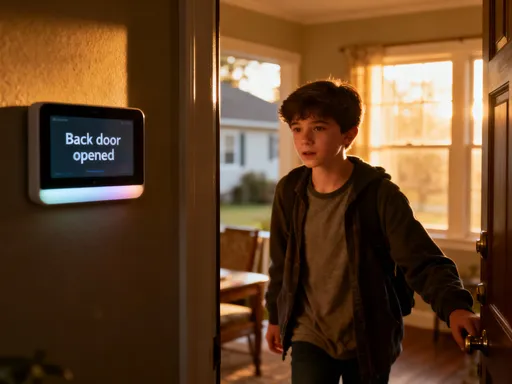
Imagine this: you’re at work, and your phone buzzes with a simple alert—“Back door opened.” No panic, no guesswork. You tap once, see your teenager got home safely, and send a quick voice note: “Welcome back! Dinner’s in the oven.” That peace of mind? It’s not magic. It’s your smart home quietly watching over what matters most. Technology once felt cold and complex, but now, it speaks the language of care. It doesn’t replace hugs or bedtime stories—it just makes space for more of them by handling the small worries so you don’t have to.
The Moment Everything Changed: When a Simple Notification Felt Like a Lifeline
I remember the exact moment I stopped seeing smart home tech as a gadget and started seeing it as a guardian. My mom had just moved into her own apartment after years of living with us. She’s independent, sharp as ever, but living alone brought a new kind of worry—one I couldn’t quite name. Was she okay? Did she remember to lock the door? Did she take her medicine? I found myself calling every few hours, not because I thought something was wrong, but because I needed to hear her voice to believe it.
Then one rainy Tuesday, my phone chimed with a soft ping. “Front door closed, 4:17 PM.” That was it. No drama, no call. Just a tiny update from the smart lock I’d helped her install weeks earlier. But in that moment, something shifted. I didn’t need to call. I knew she was safe. The relief wasn’t loud—it was quiet, deep, like a breath I’d been holding for months finally released.
That’s when I realized: the real power of smart assistants isn’t in turning on lights with your voice or playing your favorite playlist. It’s in those silent moments—the ones where you’re not thinking about technology at all, but it’s thinking about you. For so many of us juggling work, kids, aging parents, and our own well-being, that kind of quiet reassurance is priceless. It’s not about control. It’s about connection. It’s about knowing, without asking, that the people you love are okay.
Beyond Voice Commands: Rethinking How We Communicate at Home
We’ve all been there—yelling from the kitchen, “Did someone leave the garage door open?!” while the kids pretend not to hear, and your partner’s already halfway to the car. Or sending a text that gets lost in a sea of notifications, only to find out later no one saw it until 10 PM. These little miscommunications pile up, don’t they? They don’t feel like big deals, but over time, they chip away at the calm we’re all trying to build.
That’s where smart assistants quietly step in—not to replace conversation, but to make it smoother. Think of them as the gentle nudge your family actually listens to. For example, instead of texting my daughter to remind her about piano practice, I leave a quick voice message through our smart speaker: “Hey sweetie, just a heads-up—piano in 30 minutes. I’ll warm up the car!” She hears it the moment she walks into the living room, no phone needed. It feels personal, not pushy.
And it’s not just about reminders. We use motion alerts to let each other know when someone’s home. My husband’s car pulls into the driveway, the garage door opens, and our speaker says, “Dad’s home!” The kids come running. It’s silly, maybe, but it’s also sweet—a tiny ritual that brings us together without anyone having to lift a finger. Even our dog perks up at the sound.
What’s beautiful is how these small moments create a shared awareness. You don’t have to track everyone like a detective. The home itself becomes a quiet communicator, helping you stay in sync without the stress. It’s not about constant updates—it’s about the right update, at the right time, in the gentlest way possible.
Safety That Doesn’t Feel Like Surveillance
I get it. The idea of cameras and sensors in your home can feel a little… invasive. Like someone’s always watching. When I first suggested adding a smart system for my mom, she looked at me like I was planning to spy on her tea time. “I’m not a suspect,” she said, half-joking. And she was right. Privacy isn’t just important—it’s sacred. The goal isn’t to monitor, it’s to care.
Here’s the truth: most modern smart assistants don’t record everything. They’re not listening all the time. That microphone? It’s only “awake” when it hears a wake word—like “Alexa” or “Hey Google.” The rest of the time, it’s silent. And when it comes to cameras, you can choose models with privacy shutters, motion-only recording, or even local storage so footage never goes to the cloud.
For my mom, we started small. A door sensor on the front door. A motion detector in the hallway. No cameras in private spaces. If the front door opens after 10 PM, I get an alert. If there’s no movement for 24 hours, the system can notify me. But during the day? It’s quiet. She lives her life. I don’t get a play-by-play. Just peace of mind.
The key is setting boundaries together. We sat down, talked about what felt comfortable, and adjusted the settings as a team. Now, she even uses the voice assistant to call me when her hands are full. “Hey Google, call my daughter.” It’s not surveillance—it’s support. And that makes all the difference.
How One Family Transformed Chaos into Calm
Let me tell you about the Thompsons. Sarah and James, both working full-time. Two kids—Lily, 10, and Ben, 7. A golden retriever named Buddy who somehow always finds a way to escape the backyard. Their house used to feel like a tornado zone—shoes everywhere, missed school pickups, forgotten homework, and at least one “Did you leave the stove on?” panic per week.
Then, last winter, Sarah’s dad had a fall. Nothing serious, but it shook them. They started thinking: if something happened to one of us, would the kids be okay? Would we even know in time? That’s when they decided to try a smart home system—not for fancy lights or robot vacuums, but for safety and connection.
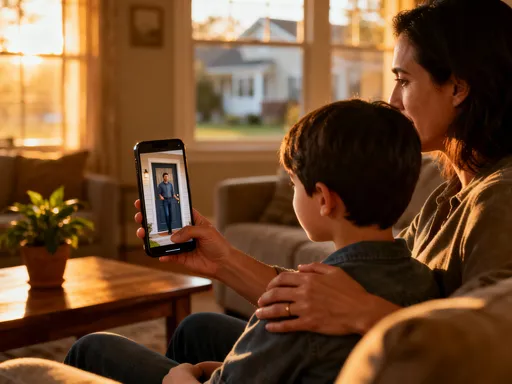
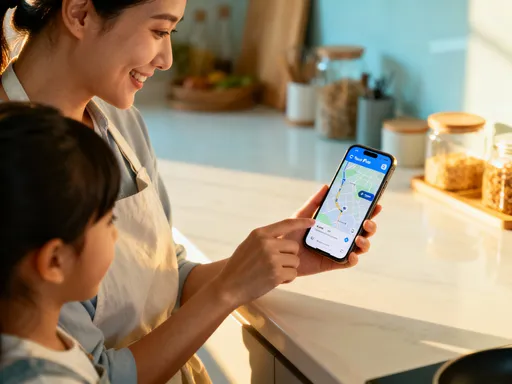
They started with door and window sensors. Now, when Lily comes home from school, the system sends Sarah a notification: “Back door opened.” She can check the secure camera feed (only active when motion is detected) and see Lily dropping her backpack. She sends a quick voice note: “Welcome back! Snack’s on the counter.” Simple. Sweet. No guessing.
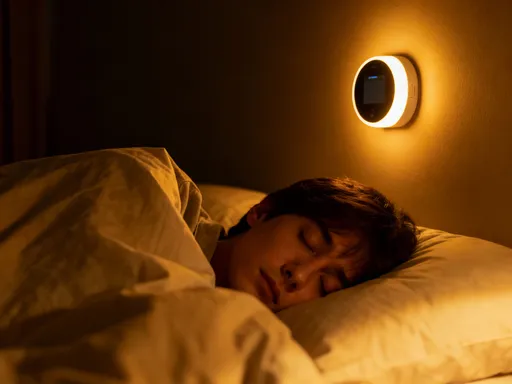
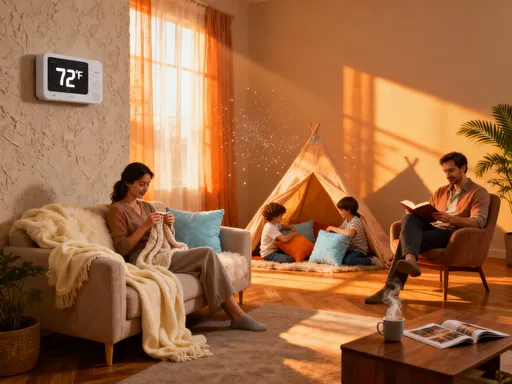
They set up a bedtime routine, too. At 8 PM, the lights in the kids’ rooms dim, a soft lullaby plays, and the thermostat adjusts for better sleep. Sarah gets a notification: “Bedtime routine activated.” She doesn’t have to nag. The house helps her love them well, even when she’s stuck on a work call.
And when a storm hit last spring, the system alerted them that the garage door had blown open. James got the alert on his phone, closed it remotely, and prevented water damage—all before he even got off the highway. No drama. No loss. Just a quiet “got it” from the tech they’d learned to trust.
It’s not perfect. Buddy still tries to dig under the fence. Ben still leaves his socks in the kitchen. But the big worries? The ones that used to keep Sarah awake at night? Those have faded. The house isn’t smarter than they are—it’s just helping them be the parents they want to be.
Setting It Up Without the Stress: A Practical Guide for Real Homes
If you’re thinking, “This sounds great, but I don’t even know where to start,” I’ve been there. The world of smart home tech can feel overwhelming—brands, compatibility, setup steps. But here’s the good news: you don’t need to be a tech expert. You just need a plan.
Start with your biggest worry. Is it safety? Communication? Routine chaos? That’ll guide your first steps. For most families, door and window sensors are a great starting point. They’re easy to install—no drilling, just peel-and-stick. Connect them to a central hub, like an Amazon Echo or Google Nest, and you’re already getting alerts when doors open or close.
Next, think about cameras. If you want to see who’s at the door or check on a pet, choose one with privacy modes—like a physical shutter or motion-only recording. Place it in a common area, not bedrooms or bathrooms. And always let everyone in the house know where cameras are. Transparency builds trust.
Then, set up routines. These are the magic behind the scenes. You can create a “Good Morning” routine that turns on the lights, reads the weather, and plays gentle music. Or a “Leaving Home” routine that locks the doors, turns off the lights, and arms the security system—all with one voice command.
Here’s a tip: involve the whole family. Let the kids pick the bedtime song. Ask your partner what kind of morning alert feels calming. When everyone has a say, they’re more likely to use it and respect it. And start small. You don’t need to automate everything at once. One device, one routine, one win at a time.
Common mistakes? Overcomplicating it. Buying too much too fast. Forgetting to test alerts. My advice: set up one thing, live with it for a week, then add another. And always, always read the privacy settings. Turn off features you don’t need. This is your home—make it work for you, not the other way around.
When Technology Speaks Love: The Emotional Side of Smart Living
We don’t often talk about how technology can carry emotion. But it can. Think about it: when you leave a voice message for your child that plays when they walk in the door, that’s not just a reminder. That’s your voice, your tone, your love, wrapped in sound. It’s you saying, “I’m thinking of you,” even when you’re not there.
I’ll never forget the first time my nephew heard his grandma’s recorded message on his birthday. She lives across the country and couldn’t make the trip. But at exactly 9 AM, the speaker in his room said, “Happy birthday, my sweet boy! I love you to the moon and back.” He froze, then smiled so big. “Grandma’s here!” he said. She wasn’t, of course. But in that moment, she was.
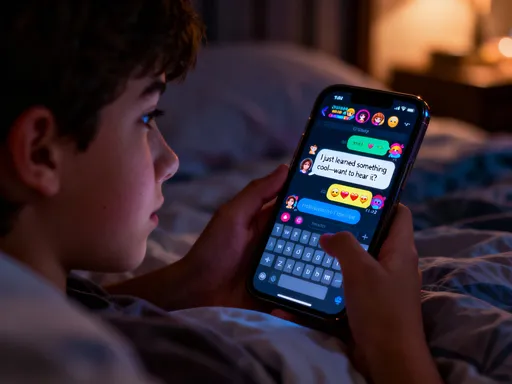
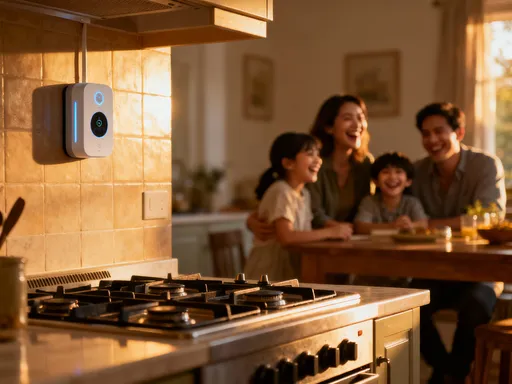
These small digital gestures become rituals of care. The automatic stove shut-off that lets you breathe easier knowing dinner won’t burn while you’re helping with homework. The nighttime check-in from your teen: “Hey Mom, I’m home. All good.” Sent with a tap, received with relief.
Smart assistants don’t feel emotion. But they can carry it. They become vessels for the things we want to say but forget, or the reassurance we wish we could give every hour. In a world that moves too fast, they help us slow down just enough to say, “I care.” And sometimes, that’s exactly what we all need.
The Future of Family Safety: Smarter, Softer, More Human
When I think about where this is all going, I don’t picture cold robots or homes that run themselves. I see something softer, quieter, more human. A future where technology doesn’t demand our attention—but gives it back.
Imagine a system that learns your rhythms. It notices when you’ve been stressed—maybe your sleep is off, your voice is tense—and gently dims the lights, plays your favorite calming playlist, or suggests a tea recipe. Not because you asked, but because it knows you.
Or a reminder system for an aging parent that doesn’t beep or nag. Instead, a familiar voice—maybe a grandchild’s recording—says, “Grandpa, it’s time for your pills,” followed by a silly joke. It’s not a machine talking. It’s family.
We’re already moving in this direction. AI is getting better at understanding context, preferences, even moods. But the real progress isn’t in the tech—it’s in how we choose to use it. Will we let it overwhelm us? Or will we shape it to serve our values—connection, care, peace?
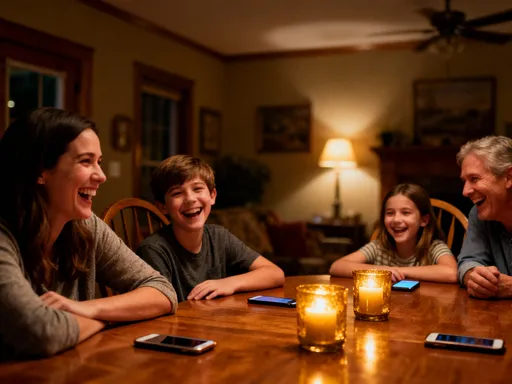
The smartest homes aren’t the ones with the most gadgets. They’re the ones where families feel safer, closer, and more themselves. Where technology doesn’t take over, but steps aside—making room for more laughter, more rest, more of the quiet moments that matter.
So if you’ve been wondering whether smart assistants are worth it, let me say this: it’s not about having the latest device. It’s about giving yourself the gift of calm. It’s about knowing your home is looking out for the people you love, even when you can’t. And sometimes, that’s the most human thing of all.