From Restless Nights to Deep Sleep: How Smart Temperature Control Transformed My Bedtime
Imagine lying in bed, tossing and turning, too hot one minute and too cold the next. You’re not alone—many of us struggle to find that perfect comfort zone at night. But what if your bedroom could adjust itself, silently and automatically, to keep you cozy all night long? I discovered that smart temperature control didn’t just change my sleep—it changed how I feel every single day. It’s not magic, and it’s not about spending a fortune. It’s about working with your body, not against it. And honestly, it’s one of the most peaceful changes I’ve ever made to my home and my routine.
The Nighttime Struggle: When Your Bedroom Works Against You
For years, my nights followed the same exhausting pattern. I’d climb into bed feeling tired, only to wake up an hour later, too warm under the blankets. I’d kick them off, then shiver an hour after that. I kept a stack of extra layers at the foot of the bed—light blankets, thick ones, even a cooling towel I once tried on a whim. My partner would sigh as I adjusted the thermostat for the third time in one night. “Can’t you just pick a temperature?” they’d say, half-joking. But the truth was, I couldn’t. My body kept changing its mind, and so did the room.
And it wasn’t just me. I started talking to friends—other women in their 30s, 40s, 50s—and so many of them described the same thing. Waking up sweaty. Waking up cold. Feeling like their bedroom was conspiring against rest. One friend told me she kept three different comforters just to rotate based on how she felt each night. Another admitted she’d started sleeping with a fan pointed directly at her face, even in winter, just to stay cool enough.
The worst part wasn’t the discomfort—it was how it carried over into the next day. I’d drag myself out of bed, eyes gritty, head foggy. Coffee helped, but only a little. I was short-tempered with my kids over spilled cereal. I’d forget appointments, miss details at work, and feel too drained to cook dinner. I told myself it was just stress, or getting older, or the season. But deep down, I knew it was the sleep. I wasn’t sleeping poorly because I was stressed—I was stressed because I wasn’t sleeping.
It took me a long time to realize that the problem wasn’t me. It wasn’t my body failing me. It was my environment. My bedroom wasn’t supporting my sleep—it was fighting it. And the biggest culprit? Temperature. Not the big, dramatic things, but this quiet, constant battle with heat and cold that no one talks about. I didn’t need willpower. I needed a smarter room.
Discovering the Hidden Trigger: Temperature’s Role in Sleep
The turning point came during a routine doctor’s visit. I mentioned my sleep troubles, and instead of suggesting pills or meditation, my doctor asked a simple question: “What’s your bedroom like at night?” I told her it was usually around 72 degrees, maybe a little warmer if the heater was running. She nodded and said, “Try lowering it to 67. Your body cools down when you sleep. If the room’s too warm, it fights that natural process.”
That made sense—more than any sleep app or herbal tea ever had. I started reading more, and what I learned surprised me. Our core body temperature drops by about half a degree to one degree when we fall asleep. It’s part of the biological signal that tells the brain: it’s time to rest. But if the room is too warm, that cooling doesn’t happen smoothly. It’s like trying to bake a cake in an oven that’s too hot—the outside burns while the inside stays raw. Or worse, an oven that’s off completely—nothing rises at all.
And it’s not just about being comfortable. It’s about biology. When your body can’t regulate its temperature properly at night, it triggers micro-arousals—tiny wake-ups you don’t even remember. They don’t feel like full awakenings, but they break up your sleep cycles. You never reach deep, restorative sleep. That’s why you can sleep eight hours and still feel wrecked the next day. It’s not the quantity of sleep—it’s the quality.
I started paying attention to the patterns. I noticed I slept best during spring and fall—when the house was naturally cooler. In the summer, even with the AC, I’d wake up hot. In the winter, the heater would kick on at 2 a.m., blasting dry, warm air, and I’d wake up parched and restless. My thermostat was set and forget—no intelligence, no awareness of what my body actually needed. It dawned on me: what if the room could be smarter? What if it could adjust itself, not just on a schedule, but based on what was really happening?
Trying Smart Control: A Small Change with Big Expectations
I wasn’t looking to turn my house into a sci-fi movie. I just wanted to sleep. So when I saw a smart thermostat advertised as “learning” your habits and adjusting the temperature automatically, I was skeptical but curious. The setup sounded easy—just replace the old thermostat, connect to Wi-Fi, and use an app. No drilling, no electrician. I ordered one that same night.
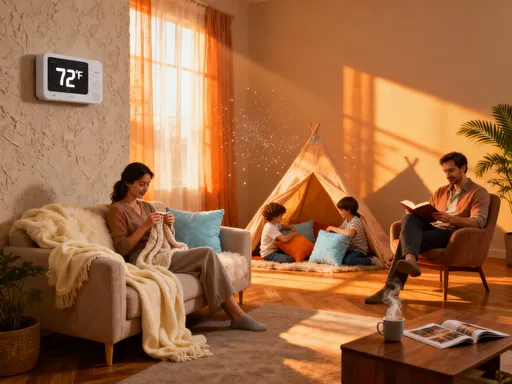
When it arrived, I was surprised by how simple it was. It looked sleek, modern, but not intimidating. The instructions walked me through removing the old unit—just a few screws and wires that matched color to color. In under 20 minutes, it was up and running. The app downloaded easily, and within minutes, I had control of my home’s temperature from my phone. I could turn the heat down from the couch. I could check the bedroom temp from the kitchen. It felt like a small luxury, but I wasn’t sure it would make a real difference.
I set it to start cooling the bedroom an hour before my usual bedtime, aiming for 67°F. I programmed a schedule, but the real promise was the “learning” feature. The thermostat would notice when I adjusted the temperature manually and start anticipating those changes. Over time, it would adapt. It wasn’t just following orders—it was paying attention.
The first few nights, I kept checking. Was it really cooler? Did it feel different? I still woke up once or twice, old habits dying hard. But I didn’t feel hot. I didn’t feel cold. I just felt… neutral. And that was new. For someone who’d spent years battling the thermostat, neutral was a revelation. I remember thinking, “Maybe this isn’t just another gadget. Maybe it’s actually working.”
The First Real Night of Deep Sleep
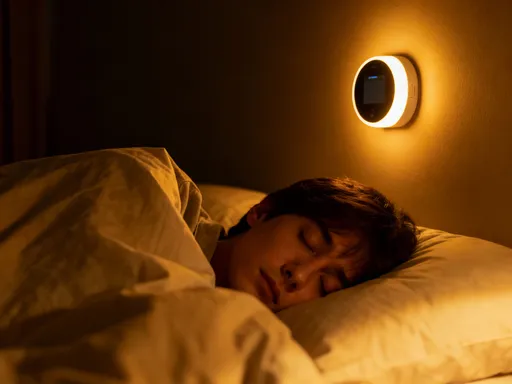
Then came the night that changed everything. I went to bed at my usual time, read a few pages, turned off the light. I remember thinking, “I hope I don’t wake up.” And I didn’t. Not once. No sudden heat wave. No cold snap. No 3 a.m. jolt of wakefulness. I opened my eyes in the morning, and the sun was already up. I checked the time—7:15. I’d slept through my alarm.
But here’s the thing: I didn’t feel groggy. I didn’t feel like I’d overslept. I felt… rested. Like, truly rested. The kind of rest I hadn’t felt since I was a teenager. I sat up slowly, expecting the usual morning stiffness or brain fog, but it wasn’t there. My mind was clear. My body felt light. I even smiled—just because I could.
I checked the app later. The bedroom had stayed between 66°F and 68°F all night. The thermostat had adjusted three times—slightly cooling when it sensed a rise in humidity, gently warming when the house cooled too much. It had done its job without me lifting a finger. No decisions. No midnight trips to the thermostat. Just quiet, consistent comfort.
I called my sister that morning. “I think I just had my first full night of sleep in years,” I said. She laughed. “What, did you finally stop drinking coffee at 6 p.m.?” But I knew it wasn’t that. It was the temperature. It was the room finally working with me, not against me. That night wasn’t a fluke. It became the new normal. And once I knew what real sleep felt like, I never wanted to go back.
Patterns That Emerged: What the Data Revealed
After a few weeks, I started noticing patterns in the app. It showed a sleep score each morning based on room conditions and temperature stability. On nights when the temperature fluctuated more than two degrees, my sleep score dropped. On nights when it stayed steady, I slept deeper and woke up more refreshed. The data didn’t lie.
One week, I experimented. I set the bedroom to 72°F one night, just to see. I woke up twice, sweating, and my sleep score was the lowest it had been in a month. The next night, back to 67°F—no interruptions, high score. The difference was undeniable. I wasn’t imagining it. My body responded to that one-degree shift like it was programmed to.
The thermostat also started learning my routine. It noticed I went to bed around 10:30 most nights and began cooling the room automatically at 9:30. If I stayed up late, it waited. If I turned on my bedroom lights late, it delayed the cooling cycle. It wasn’t just smart—it was considerate. It adapted to my life, not the other way around.
I even started using the geofencing feature. When my phone detected I was within 10 minutes of home, it would start adjusting the bedroom temperature so it was perfect by bedtime. No more walking into a cold room and waiting for it to warm up. No more forgetting to turn the heat down. It just… happened. And the best part? I didn’t have to think about it. The technology faded into the background, doing its job quietly, so I could just live.
Ripple Effects: Better Mornings, Calmer Evenings, Fuller Days
Better sleep didn’t just change my nights—it changed my days. I started waking up earlier, not because I had to, but because I wanted to. I’d make coffee, sit by the window, and actually enjoy the quiet. I had energy to help my kids with homework without snapping. I started cooking again—real meals, not just frozen dinners. I even signed up for a pottery class I’d been putting off for years.
My partner noticed. “You’ve been in such a better mood lately,” they said one evening. “You’re calmer. More present.” I realized it was true. I wasn’t just surviving the day—I was enjoying it. And it all started with sleep. When you’re not running on empty, you have more to give—to your family, your work, yourself.
Even my evenings changed. Instead of collapsing on the couch, half-asleep by 8 p.m., I had the energy to read, to talk, to just be. I stopped using my phone in bed as much because I wasn’t lying there restless, scrolling to stay awake. I looked forward to bedtime now. It wasn’t a battle—it was a gift.
I won’t say it fixed everything. Life still has stress. Kids still get sick. Work still gets busy. But I have a stronger foundation now. I can handle the hard days because I’m not starting them exhausted. I have patience I didn’t have before. I have clarity. And I have hope—because if this one change could make such a difference, what else is possible?
Making It Work for You: Simple Steps to Start Tonight
If you’re tired of restless nights, I want you to know—there’s hope. You don’t need a full home renovation or a big budget. You don’t need to become a tech expert. You just need one small, smart change. Start by checking your current bedroom temperature. Is it above 70°F? Try lowering it to 67°F an hour before bed. Use a fan if you need extra airflow. See how you feel.
If you’re ready to go further, consider a smart thermostat. Look for one that’s easy to install, has a simple app, and offers scheduling and learning features. Read reviews from real users—especially other women managing busy households. Many models are designed with simplicity in mind. You don’t need all the bells and whistles. Just something that helps you maintain a steady, cool temperature at night.
Start with bedtime. Program the system to cool your bedroom 30 to 60 minutes before you usually go to sleep. Keep it consistent—same time, same temperature. Let the system learn your habits. If you travel, use the remote feature to adjust the temperature from your phone. Make it work for your life, not the other way around.
And be patient. It might take a few nights to notice a difference. Your body needs time to adjust. But don’t give up. I know how frustrating poor sleep can be. I’ve been there—tossing, turning, counting the hours. But I also know what it’s like to wake up feeling truly rested. It’s not a luxury. It’s a necessity. And it’s within your reach.
You deserve to sleep well. You deserve to wake up feeling like yourself. And you don’t have to do it alone. Let your home help you. Let technology do the heavy lifting, so you can just rest. Because when you sleep better, everything else gets a little easier. Your days get brighter. Your mood lifts. Your life expands. And it all starts with one quiet, well-regulated room. You’ve got this.