Cut My Family’s Screen Time by Half: The Communication Tool That Brought Us Closer Without Risking Our Privacy
Remember when family chats happened around the dinner table, not in group texts? I missed real connection—until I found a simple tool that changed everything. It helped us talk more meaningfully, share moments safely, and actually be present. The best part? No confusing settings or data leaks. If you’re tired of feeling disconnected even when everyone’s online, this is for you. Let me show you how we got our quality time back—without giving up technology.
The Moment I Realized We’d Lost Touch
It wasn’t one big moment—it was a thousand little ones that added up. My phone would buzz constantly: a grocery list from my sister, a homework question from my nephew, a meme from my cousin. We were always in contact, yet I couldn’t remember the last time I’d really talked to any of them. One night, my niece came over and pulled out her phone to show me a photo album—pictures of her graduation, her first solo trip, moments I didn’t even know had happened. She’d shared them online with friends, but not with me. Not because she didn’t want to, she said, but because it felt safer out there than at home. That hit me like a wave. We had all these tools to stay connected, but we were more distant than ever.
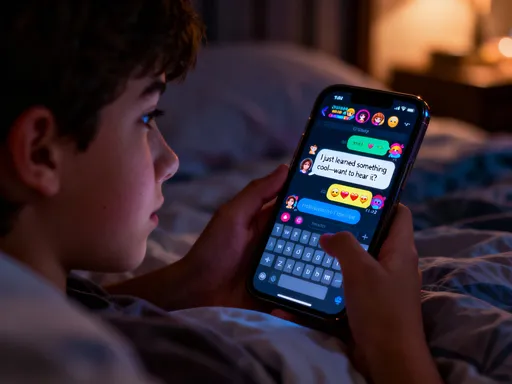
I started paying attention to how we used technology. Group texts were noisy and overwhelming. Everyone was replying at once, half-joking, half-distracted. Important things got buried under emoji reactions and viral videos. I’d send a message about Mom’s doctor appointment, only to see it disappear under a chain of GIFs. And when I called, it often went to voicemail—‘Too busy scrolling,’ my brother once joked. But it wasn’t funny. We were using technology to avoid real conversations, not to have them. The more we messaged, the less we communicated. And privacy? It felt like an afterthought. Photos were saved in the cloud, messages stored on servers, location tags left on by accident. We were sharing everything—just not with each other.
That’s when I asked myself: Could there be a way to use technology that actually brought us closer—without risking our privacy or drowning in digital noise? I didn’t want to give up tech. I just wanted it to serve us, not control us. I wanted real moments, not performative posts. I wanted my family to feel safe sharing, not anxious about who might see it. So I began looking for a tool that wasn’t designed for advertisers or data collectors—but for families like mine.
Why Most Family Apps Fall Short
I’ll admit, I had high hopes when I started testing family communication apps. I downloaded the big names—the ones with colorful icons and five-star reviews. But within days, I noticed a pattern. These apps weren’t built for quiet, meaningful connection. They were built to keep us engaged, scrolling, clicking, sharing more than we should. One app asked for access to my contacts, location, and camera—all before I could send a single message. Another filled my screen with notifications: ‘Your cousin liked your photo!’ or ‘New update in Family Chat!’ But no one had actually talked to me. It felt less like family time and more like social media with a family filter.
The worst part? The privacy policies. I actually sat down and read them—something most of us never do. And what I found was unsettling. Some apps stored our messages on their servers indefinitely. Others used our data to improve ‘user experience’—a vague phrase that could mean anything. One app even admitted it might share anonymized data with third parties. Anonymized? Maybe. But when you’re sharing photos of your child’s first steps or updates about a loved one’s health, ‘anonymized’ doesn’t feel like enough. I didn’t want our family life turned into data points for some algorithm.
And then there was the design. So many apps were cluttered with features we didn’t need—games, polls, shopping links. It was like they assumed we couldn’t have a real conversation without distractions. I wanted simplicity. I wanted a space where my 70-year-old mom could send a photo without worrying about settings, where my teenage niece could share her art without it ending up in a data warehouse. I wanted something that felt like a living room, not a marketplace. What we needed wasn’t another flashy app. We needed a quiet corner online—just for us.
How We Found the Right Fit—Simplicity First
After weeks of searching, I stumbled on a platform that felt different. It wasn’t advertised everywhere. No loud commercials, no influencer promotions. It didn’t have millions of downloads, but it had something better: a clear purpose. This tool was built for private, family-only communication. No ads. No algorithms deciding what we should see. No cloud backups unless we turned them on. Everything was end-to-end encrypted by default—meaning only our family could read our messages, not the company, not hackers, not anyone else.
The interface was simple. Just a few tabs: messages, photo albums, and voice notes. That’s it. No games, no feeds, no endless notifications. You could use it on a phone, tablet, or computer—no extra software needed. My sister loved that she could access it through her browser without downloading anything. My mom, who still calls Wi-Fi ‘the internet machine,’ found it easy to navigate. And the best part? It didn’t track our location, save chat history on remote servers, or analyze our conversations for ‘insights.’ It treated our words like they mattered—not like data to be mined.
We started with a small test group: me, my sister, my mom, and my nephew. We set up a private family space with a unique link—no public profiles, no searchable names. Each of us created an account using just an email and password. No social media logins, no phone number required. We enabled two-step verification together during a weekend video call. It took less than ten minutes. And just like that, we had a digital space that felt truly ours. No outsiders. No noise. Just us.
Building Trust Through Transparent Sharing
At first, we were all a little hesitant. After years of oversharing on public platforms and worrying about privacy, it felt strange to trust a new tool—even one designed for safety. So we started small. I began sending nightly voice notes to the family group: just a minute or two about my day, a funny thing my dog did, a thought before bed. No pressure to respond. No need to type. Just speaking from the heart. Slowly, others joined in. My nephew started sharing voice updates about his college classes. My mom began sending little audio messages—‘Just wanted you to hear my voice today.’
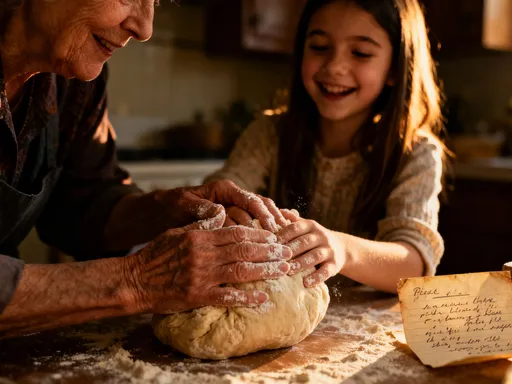
We also created private photo albums. One called ‘Just Us,’ another ‘Kitchen Moments,’ a third for ‘Family Trips—Past & Future.’ These weren’t for likes or comments. They were just for us. I noticed something beautiful: because we knew our photos weren’t being stored in some corporate database, we shared more freely. My sister, who had always been private about her health journey, started posting updates—photos from her recovery, short notes about how she was feeling. She told me later, ‘I didn’t feel like I was performing. I felt like I was just talking to family.’
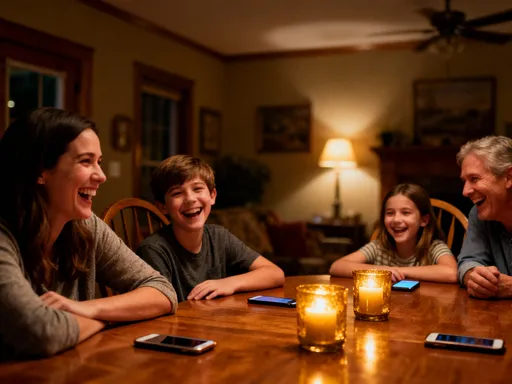
The lack of digital noise made room for emotional honesty. Without constant pings and pop-ups, our conversations became slower, deeper. We didn’t rush to reply. We took time to listen—really listen. We started having weekly audio check-ins, no cameras needed. Just voices. No makeup, no filters, no distractions. Just presence. And in those quiet moments, I heard things I hadn’t in years: worries, hopes, gratitude. Technology wasn’t the focus anymore. It was just the bridge.
Teaching Privacy Without the Pressure
One of my biggest worries was whether my older relatives would feel comfortable using this new tool. My mom still thinks ‘the cloud’ is something in the sky, and my uncle once called a pop-up ad ‘a tiny ghost on the screen.’ I didn’t want to overwhelm them with technical jargon. So instead of lecturing, I showed them—like walking them through a house where every door locks behind you.
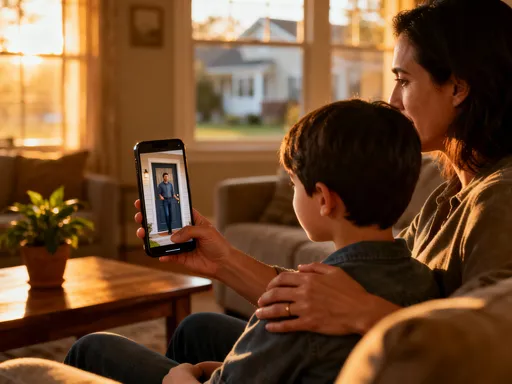
During a family call, I shared my screen and walked them through how the app worked. ‘See this message?’ I said. ‘It travels directly to you, locked. Even the company can’t open it. It’s like sealing a letter in an envelope—only our family has the key.’ That made sense to them. I showed them how to turn on two-step verification: ‘It’s like adding a second lock to the front door.’ We did it together, step by step. No stress. No confusion. Just care.
Over time, something unexpected happened. They started paying attention to privacy in other areas too. My mom now checks which apps have access to her photos. My uncle asked me how to delete old messages from other platforms. One day, he proudly told me, ‘I turned off location sharing on three apps this week!’ It wasn’t fear that drove them—it was empowerment. They realized they didn’t have to give up privacy to stay connected. They could have both. And that confidence spread. My niece, who used to post everything online, now thinks twice. ‘If it’s for family, it goes in our private space,’ she says. ‘If it’s for show, I don’t need it.’
Real Life Changes—More Than Just Messages
Within a month, something remarkable happened: our screen time dropped by nearly half. Not because we were using our phones less—we were using them differently. We weren’t scrolling mindlessly. We weren’t checking notifications every few minutes. We were having real conversations. Family calls became something we looked forward to, not tasks we avoided. My nephew started calling me just to talk—no agenda, no rush. My sister and I planned a weekend getaway using the app’s shared calendar—no public posts, no third-party apps, just us coordinating quietly and safely.
Photos stayed within our circle. No more accidental shares or tagged posts that exposed private moments. When my mom had a fall and went to the doctor, we shared updates in our group—photos of her progress, voice notes from her bedside. We supported her without exposing her journey to the world. And because we knew the conversations were secure, we could be honest about our fears and hopes.
But the biggest change wasn’t in our tech habits—it was in our hearts. We started talking about things we’d avoided for years: aging, loss, dreams we’d put aside. My nephew opened up about his anxiety. My sister shared her plans to go back to school. My mom told stories from her childhood that I’d never heard. These weren’t grand speeches. They were quiet, real moments—made possible because we finally had a space where we felt safe to be ourselves. Technology didn’t bring us together. It just stopped getting in the way.
Why This Matters Beyond Convenience
What started as a search for a better app turned into something much deeper. We didn’t just cut screen time. We rebuilt trust. We protected our digital lives. We reclaimed the warmth of real connection. In a world where data leaks make headlines and online interactions often feel shallow, choosing a tool that respects both privacy and humanity made all the difference.
This isn’t just about convenience. It’s about values. It’s about deciding that our family moments are worth protecting—that they shouldn’t be turned into data or content. It’s about teaching the next generation that connection doesn’t have to come at the cost of privacy. And it’s about showing our loved ones that we see them, we hear them, and we’re here—without filters, without performance, without fear.
If you’re tired of feeling like your family is always online but never really there, I encourage you to take a step back. Look at how you’re communicating. Ask yourself: Does this tool serve us? Or are we serving it? There’s no need to give up technology. But there is a need to choose it wisely. Find a space where your family can breathe, share, and connect—safely, quietly, truly. Because at the end of the day, it’s not about how much we share online. It’s about how deeply we connect in real life. And that’s a connection worth protecting.