From Anxious to Assured: How One Smart Sensor Gave Our Family Back Peace of Mind
Life used to include nightly check-ins and whispered worries about gas leaks while cooking dinner. I’d lie awake wondering—did I turn it off? Then we installed a simple sensor. It didn’t just beep when danger was near; it changed how we live. No more second-guessing. No more stress. Just quiet confidence. This small device didn’t just monitor gas—it brought us freedom, connection, and a surprising new sense of calm. It’s not flashy or loud, but it’s become one of the most meaningful changes in our home. And the best part? It didn’t ask us to change who we are. It just helped us breathe easier—literally and emotionally.
The Unseen Worry Lurking in Our Kitchens
Have you ever walked away from the stove, only to spend the next hour wondering if you turned it off? I have. More times than I’d like to admit. We all do. Between helping with homework, answering work emails, and trying to keep the dog from stealing dinner off the counter, it’s easy to lose track. That moment—when your mind suddenly snaps back to the kitchen—can send a chill down your spine. Is the flame still on? Could gas be leaking? Is the house safe?
For years, that question lived in the back of my mind like a quiet hum. It wasn’t panic, not exactly. It was more like a low-grade anxiety that followed me from room to room. I’d double-check the knobs before bed. I’d ask my husband, “Did you turn it off?” even though I knew he’d say yes. And still, the doubt remained. It wasn’t just about me. I worried about my mom when she came to visit—she’s sharp, but she’s also in her 70s, and I didn’t want her to carry that same burden. And then there were the kids. My teenage daughter sometimes heats up leftovers while texting, completely distracted. The idea that a moment of inattention could lead to something serious kept me up at night.
Then one evening, it happened. I was on a video call with a friend, multitasking like always, when I smelled smoke. I ran into the kitchen—my daughter had left a pot on low, forgotten in the chaos of school projects and phone notifications. The stove was still on. The pot was dry. Smoke filled the air. We opened windows, waved towels, and laughed it off, but inside, I was shaken. That could’ve been worse. Much worse. That night, I realized we weren’t just living with inconvenience—we were living with risk. And we were relying on memory, which, as we all know, isn’t perfect. We needed something more reliable. Something that didn’t get distracted. Something that watched when we couldn’t.
Discovering a Guardian for the Home (Without the Hassle)
I didn’t want a complicated system. I didn’t want to rewire the house or download five different apps. I just wanted to feel safe. So when a friend mentioned she’d installed a gas safety sensor, I listened. “It’s like having a babysitter for your stove,” she said with a laugh. I rolled my eyes at first—another gadget? Really? But she wasn’t trying to sell me anything. She just said, “I sleep better now. And I don’t have to keep running back to the kitchen.”
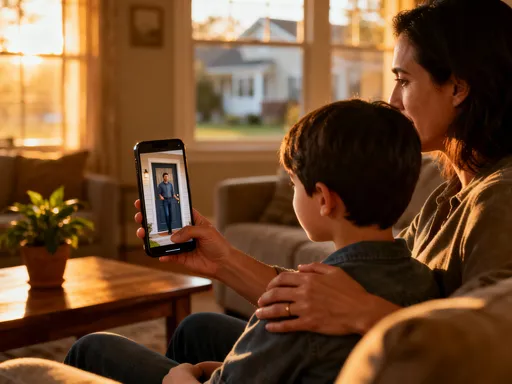
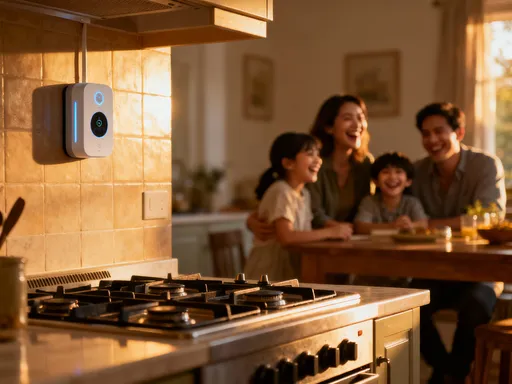
So I looked into it. What I found surprised me. These sensors aren’t like the old-school smoke alarms that scream at burnt toast. Modern gas safety sensors are small, simple, and smart. They don’t require drilling or professional installation. Most just clip onto the gas valve or sit on the counter nearby. They use sensors to detect gas levels or flame status, and if something’s off, they alert you—quietly at first, then more insistently if needed. Some even connect to your phone, so you can get a notification if you’re in another room or even out of the house.
I chose one that was easy to set up—no tools, no wiring, just a quick attachment and a quick app pairing. Within ten minutes, it was ready. I didn’t have to become a tech expert. I didn’t have to change how I cooked. I just had to trust it. And honestly, that was the hardest part. Letting go of the habit of checking, double-checking, triple-checking. But after a few days, something shifted. I started to believe it was watching. And that belief brought relief. It wasn’t about replacing me. It was about supporting me. Like a quiet partner in the kitchen, doing the job I couldn’t always do myself.
Learning Progress, Not Just Alerts
What really changed everything wasn’t just the alert system—it was how smart the device had become. At first, I thought it would just beep if gas was on too long. But this one does more. It learns. Over time, it started to recognize our rhythm. It knew when we usually cooked dinner, when we cleaned up, when the gas should be off. It didn’t treat every minute of gas use as an emergency. It understood context.
One night, I was simmering soup for hours—something I don’t do every day. After 45 minutes, I got a gentle notification: “Gas still on. Still cooking?” Not a siren. Not a panic. Just a soft check-in. I smiled and tapped “Yes,” and it went quiet. It wasn’t nagging me. It was looking out for me. That moment hit me—this wasn’t just a safety tool. It was becoming part of our life. It was adapting to us, not the other way around.
And that makes all the difference. Most safety devices are reactive. They scream when something’s wrong. But this one feels proactive. It’s like having a thoughtful friend who says, “Hey, just checking in,” instead of “OH MY GOD, WE’RE ALL GOING TO DIE.” The tone matters. The timing matters. The way it communicates matters. Because when safety feels like care instead of fear, we’re more likely to listen. More likely to trust. More likely to actually use it.
How Safety Became a Shared Language
I’ll admit, my family wasn’t thrilled at first. My daughter called it “the overprotective robot.” My husband said, “I’ve been cooking for 20 years. I think I can handle it.” But then, one afternoon, the sensor sent a notification to her phone while she was studying. The burner had been left on after she heated water for tea. She didn’t even realize it. When I mentioned it later, she paused, then said quietly, “I was really focused. I didn’t notice.”
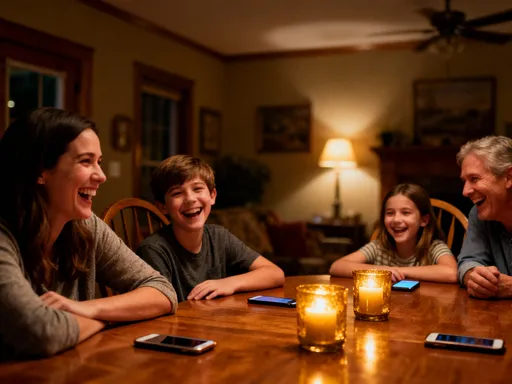
That small moment changed everything. It wasn’t about blame. It wasn’t about being careless. It was about being human. And the sensor wasn’t judging us. It was helping us. After that, the tone in our house shifted. We started talking about safety—not as a lecture, not as a scolding, but as a shared value. “Did you get the alert?” became a normal part of dinner conversation. “I turned it off—thanks for the reminder,” became something we actually said to each other.
Even better, it sparked real conversations. We talked about what to do if the gas was left on. We practiced our plan. We made sure everyone knew how to shut off the main valve. And because the sensor made it easy to talk about, we didn’t avoid the topic anymore. It became part of our routine, like setting the table or loading the dishwasher. Safety stopped being a scary “what if” and started being a quiet “we’ve got this.”
Making New Friends Through Shared Peace of Mind
I didn’t expect this little device to change my social life. But it did. At a neighborhood coffee morning, I mentioned it casually—“We got this sensor for the stove, and honestly, it’s been a game-changer.” Three moms immediately asked for the name. One said, “I’ve been meaning to look into that. My dad lives alone, and I worry every time he cooks.” Another said, “My son leaves the gas on all the time. He’s not careless—he’s just distracted.”
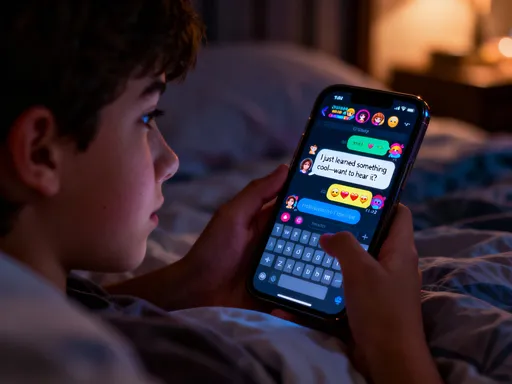
Within days, we started a small group chat—“Safe Homes, Happy Families.” We share tips. We check in during power outages or storms. We celebrate when someone installs their first sensor. We’ve even started a little tradition: whenever someone new joins, we send them a virtual “welcome to peace of mind” cup of tea. It sounds small, but it means something. Because safety isn’t just about technology. It’s about community. It’s about knowing you’re not alone in caring.
One mom recently messaged, “I used to lie awake worrying about my mom cooking alone. Now, I know her sensor would alert her—or me, if we set it up right. I finally feel like I can breathe.” That hit me. Because that’s exactly how I felt. And now, we’re all helping each other feel that way. That little device didn’t just protect our homes. It connected us. It gave us a shared language of care. And in a world that often feels disconnected, that’s a rare and beautiful thing.
Simple Steps to Start Your Own Journey
You don’t need a fully smart home to start. You don’t need to spend a fortune. You don’t even need to be tech-savvy. All you need is one small step. Begin with a single sensor near your stove. Look for one that’s easy to install—no tools, no drilling, no complicated wiring. Many just clip on or sit on the counter. Choose one with gentle alerts—something that checks in, not screams at you. And if possible, pick one with learning features, so it adapts to your routine.
Then, involve your family. Show them how it works. Talk about what the alerts mean. Practice responding. Make it part of your rhythm, not a disruption. You might feel silly at first—like you’re talking to a gadget—but that’s okay. It’s not about the device. It’s about the peace it brings. Within days, you’ll forget it’s even there—until it quietly prevents a problem. And when that happens, you’ll feel it: a deep, quiet relief. That’s when you’ll know it was worth it.
And remember, you don’t have to do it alone. Ask friends. Join a group. Share your story. The more we talk about safety, the more normal it becomes. The more we support each other, the safer we all are. This isn’t about fear. It’s about freedom. It’s about giving yourself permission to relax, to focus, to live—without carrying the weight of constant worry.
Living Lighter, Loving Deeper
Now, when I cook dinner, I’m really there. I’m not half in the kitchen, half in my head, wondering if I turned off the gas. I’m present with my family. I’m laughing at my daughter’s stories. I’m listening to my husband’s day. That small device lifted a weight I didn’t even know I was carrying. It didn’t make me more careful. It made me more free.
And in that freedom, something beautiful happened. We started to connect more. We talk more. We worry less. We live bigger. Because when you’re not bogged down by background anxiety, you have more room for joy. More room for love. More room for the little moments that matter.
Technology at its best doesn’t replace us. It doesn’t make us lazy or dependent. It frees us to be more human. It handles the things that drain us, so we can focus on what fills us. And in this case, it gave us back something priceless—peace of mind. Not the kind that comes from control, but the kind that comes from trust. Trust in a simple device. Trust in each other. Trust in our home.
So if you’re still standing in the doorway, looking back at the stove, wondering—just know you don’t have to carry that question anymore. Help is here. It’s quiet. It’s kind. It’s waiting. And it might just change the way you live, one calm breath at a time.