From Hesitant to Harmonious: How Smart Temperature Control Transformed My Home Life
Imagine walking into your home after a long day, only to be met with either a stuffy, overheated room or one that feels like a winter cave. You stand there, tired, wondering why adjusting the temperature always feels like a chore. I used to live that reality—constantly second-guessing the thermostat, wasting energy, and never quite feeling comfortable. Then everything changed. It wasn’t a renovation or a lifestyle overhaul. It was something quieter, simpler, and far more powerful: smart temperature control. What started as a small upgrade turned into a transformation of how my family lives, breathes, and connects at home.
The Moment That Changed Everything
It was a Wednesday evening in late summer. The kids had just finished soccer practice, I was running late from a work call, and my husband was stuck in traffic. When I finally opened the front door, the heat hit me like a wall. The house had been baking all day with the sun pouring through the west-facing windows, and the thermostat, set the same way it had been for weeks, hadn’t adjusted a thing. I walked in, sweaty and drained, only to find the living room at 82 degrees. The dog was panting on the floor. The baby’s room was even warmer.
I remember standing there, hand on the thermostat, thinking, Why does this keep happening? I wasn’t angry at anyone. There was no one to blame. But that moment—the exhaustion, the discomfort, the sheer inconvenience of it all—finally made me ask: What if my home could just… know? What if it could sense when we were coming back, when the sun was setting, when the baby needed a cooler room to sleep? That night, I didn’t fix anything. But I did something that mattered just as much: I started looking.
And what I found wasn’t a sci-fi fantasy or a complicated system only tech experts could handle. It was a smart thermostat—one that learns, adapts, and quietly takes care of things so I don’t have to. That single decision, born from a moment of frustration, changed the rhythm of our entire home. It didn’t just regulate temperature. It restored a sense of calm I didn’t even realize we’d lost.
Life Before Smart Climate Control: A Symphony of Small Annoyances
Before smart temperature control, my relationship with the thermostat was… complicated. I’d set it in the morning, forget about it, and then spend the evening adjusting. Too hot? Turn it down. Too cold? Turn it up. Wake up shivering at 3 a.m.? Grab a blanket and curse the draft. It wasn’t one big problem—it was a thousand tiny ones, stacking up like invisible bricks on my shoulders.
Think about it: how many times have you walked into a room and immediately reached for the thermostat? Or left the house in a rush, only to wonder halfway to work, Did I turn the heat down? Or come home to find the house icy because someone forgot to adjust it before leaving? These aren’t dramatic crises. But over time, they wear you down. They add mental load. They steal little pieces of peace from your day.
And let’s talk about energy. I used to leave the heat on all day, just in case someone came home early. Or I’d crank the AC in the afternoon, knowing the house would be hot, but not knowing exactly when it would cool down. It felt wasteful—but what was the alternative? Constant monitoring? That sounded even more exhausting. The truth is, traditional thermostats ask us to be perfect predictors of our own lives, and none of us are. We’re busy. We’re distracted. We’re human.
That’s why those small annoyances mattered so much. They weren’t just about temperature. They were about control—feeling like I was managing my home, not the other way around. And every time I had to adjust the thermostat manually, it was a tiny reminder that I was behind, that I was reacting instead of living.
How It Works—Without the Tech Jargon
When I first looked into smart thermostats, I’ll admit—I was intimidated. The websites were full of words like ‘adaptive learning,’ ‘geofencing,’ and ‘algorithms.’ I’m not a tech expert. I just wanted my house to be comfortable. So I took a step back and asked the real question: How does this actually work in real life?
Here’s the simple version: a smart thermostat learns your routine. It watches when you turn the heat up or down, when you leave the house, when you come back. After a few days, it starts to anticipate. If you usually turn the heat down at 10 p.m., it’ll start doing it for you. If you get home around 6:30 every day, it’ll have the house warm and ready by then. It’s like having a quiet helper who pays attention and starts pitching in.
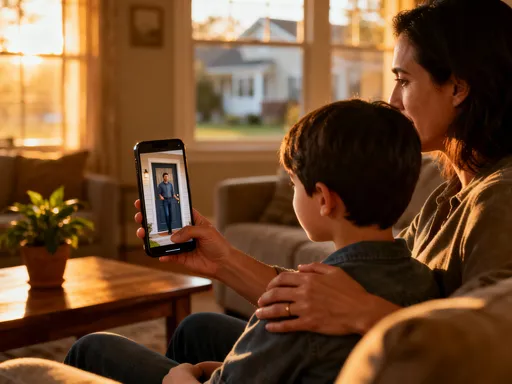
One of the features I love most is geofencing. That’s just a fancy word for using your phone’s location to know when you’re coming home. So if you’re running late, the system doesn’t waste energy heating an empty house. But as you turn onto your street, it kicks on—so you walk into comfort, not chaos. No buttons, no commands. It just happens.
And setup? Easier than I expected. Most systems come with clear instructions, and many offer step-by-step guidance through an app. I had mine installed in under an hour—no electrician, no stress. The app walks you through connecting to Wi-Fi, naming rooms, and setting preferences. You can control it from your phone, your tablet, or even with your voice if you have a smart speaker. “Hey Google, make it cooler,” and just like that, it’s done.
The best part? It’s not about being high-tech. It’s about being high-aware. It pays attention so I don’t have to. It’s not replacing me—it’s supporting me.
Real-Life Moments, Real-Life Relief
You know that sigh of relief when you walk into a perfectly cooled home on a sweltering summer day? That’s not luck. That’s my thermostat, doing its job. But it’s the little moments—the ones no one talks about—that really made me fall in love with this upgrade.
Like winter mornings. My daughter used to wake up cold, bundled in three blankets, her breath visible in the air. I’d rush to turn up the heat, but it always felt like I was one step behind. Now, the system warms her room gradually before she wakes up. She opens her eyes to a cozy 68 degrees, and her first words are usually, “It’s so warm in here!” That small shift—starting the day feeling safe and snug—has changed her whole mood.
Or picture this: you’re on vacation, and a cold snap hits back home. In the old days, I’d be worrying—Is the house too cold? Could the pipes freeze? Now, I get an alert on my phone if the temperature drops too low. I can adjust it from the beach. Last winter, I turned up the heat from a ski lodge in Vermont while we were still on the slopes. No stress. No guilt. Just peace of mind.
And for my husband, who works from home, it’s been a game-changer. His office used to overheat by noon because of the sunlight. Now, the system senses the temperature rise and adjusts before it becomes unbearable. He says he’s more focused, less distracted by discomfort. That’s not just comfort—that’s productivity. That’s quality of life.
These aren’t futuristic fantasies. They’re everyday wins. And they add up. The more I see how smoothly things run, the more I realize: comfort isn’t a luxury. It’s a foundation.
More Than Comfort—The Ripple Effect on Daily Life
I didn’t expect a thermostat to affect our family’s mood. But it has. When the house feels balanced, we feel balanced. Fewer arguments about being too hot or too cold. Fewer grumpy mornings. Fewer times when someone says, “Can you fix the temperature?” like it’s my personal responsibility.
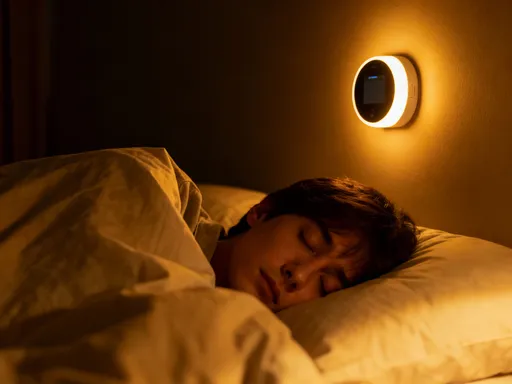
Sleep has improved, too. My son used to kick off his blankets and wake up sweaty. Now, the system cools his room slightly at night, keeping it steady. He sleeps through the night more often, and so do I. There’s something deeply comforting about consistency—knowing the environment around you is stable, even when life isn’t.
And here’s something I didn’t anticipate: the emotional relief of saving energy without effort. I’ve always cared about being eco-friendly, but I used to feel guilty about heating an empty house or running the AC too long. Now, I don’t have to choose between comfort and responsibility. The system optimizes on its own. It turns down the heat when we’re out, avoids overheating, and runs efficiently. I’ve seen a noticeable drop in our energy bills—nothing dramatic, but enough to make me feel good about our choices.
But more than the savings, it’s the mindset shift. I no longer feel like I’m constantly managing the house. Instead, the house is helping me manage life. That subtle change—from control to collaboration—has made our home feel more like a partner than a project.
Making It Work for Your Home—Simple Steps, Real Results
If you’re curious but unsure where to start, I get it. Change can feel overwhelming, especially when it involves your home. But here’s the good news: you don’t have to do it all at once. You don’t need a full-house system on day one. Start small. Pick one room—the bedroom, the living room, the home office—and see how it feels.
First, think about your routine. When do you wake up? When do you leave? When do you want the house to be warm or cool? Most smart thermostats guide you through this setup in the app. Be honest about your habits—even the messy ones. The system is designed to adapt, not judge.
Next, consider pairing it with a routine you already have. For example, I linked ours to our bedtime ritual. When we turn off the lights, I say, “Hey Google, goodnight,” and it sets the temperature for sleeping, turns off the lights, and arms the security system. It takes seconds, but it makes the whole process feel seamless.
Don’t worry about getting it perfect. These systems learn over time. If you change your schedule, it adjusts. If you override a setting, it notices and updates its predictions. It’s not about rigid rules—it’s about gentle guidance.
And if you’re worried about cost, think long-term. Yes, there’s an upfront investment. But many utility companies offer rebates for energy-efficient devices. And the savings on your bills, combined with the comfort and peace of mind, make it worth it for most families. Plus, if you ever sell your home, a smart thermostat is a small upgrade that can actually boost appeal.
The key is to start with your why. Is it better sleep? Less stress? Lower bills? More consistency for your kids? Let that guide you. Technology should serve your life, not complicate it.
A Home That Knows You: The Quiet Joy of Effortless Living
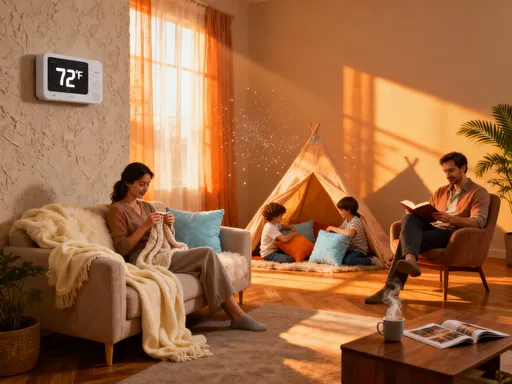
What I love most about smart temperature control isn’t the tech. It’s what the tech makes possible. It’s the quiet moments: my daughter stretching in her warm bed, my husband focused and comfortable in his office, the dog curled up in a sunlit spot at just the right temperature. It’s the absence of friction—the lack of that daily tug-of-war with the thermostat.
Technology, at its best, shouldn’t demand attention. It should give it back. It should handle the small things so we can focus on the big ones—our families, our well-being, our joy. A smart thermostat doesn’t replace love or connection. But it creates space for them. It removes one more barrier between us and the life we want to live.
Our home still isn’t perfect. Kids leave toys everywhere. Laundry piles up. Life gets messy. But now, at least, the temperature isn’t one more thing to worry about. It’s steady. It’s thoughtful. It’s there.
And in a world that asks so much of us—of mothers, of partners, of homemakers—having one less decision to make, one less chore to remember, is its own kind of luxury. It’s not about living in a futuristic bubble. It’s about living with a little more ease, a little more grace, a little more room to breathe.
So if you’re standing in your too-hot or too-cold living room, wondering why it’s so hard to get this one thing right, I want you to know: it’s not you. It’s the system. And it can change. You don’t need to be a tech expert. You just need to be someone who deserves a home that cares for you, as much as you care for it. And sometimes, that care comes in the quietest form of all—a room that’s just right, waiting for you to walk in.