From Forgotten Moments to Cherished Stories: How One App Brought Our Family Closer
Imagine sitting across from your grandmother, recorder in hand, as she shares a memory you’ve never heard—her voice steady, the story vivid, and every detail preserved not in fading paper, but in warm, living words. That moment used to feel fleeting. Now, it’s just a tap away. Technology no longer distances us from family—it’s quietly becoming the thread that stitches our stories together, one voice, one memory, one heartbeat at a time. I used to worry I’d forget the sound of my mom’s laugh or the way my grandfather told the same fishing story every summer. But now, those moments live on—not trapped in dusty photo albums or half-remembered dinner table chats, but alive in a simple app I carry in my pocket. And the best part? It didn’t take tech skills, perfect timing, or hours of effort. Just one question. One press of a button. And suddenly, our family history started to breathe again.
The Silence Between Generations
Have you ever sat at the kitchen table with your parents or grandparents, wanting so badly to ask about their lives, but not knowing where to begin? I have. For years, I told myself I’d “get around to it”—record my dad talking about growing up in the countryside, or ask my aunt about how she raised three kids on her own. But life kept happening. There were grocery runs, school pickups, laundry piles, and bedtime stories. And before I knew it, the chance had slipped away. My father passed, and with him, so many stories I’d never heard. I remember one holiday dinner when my cousin said, “Remember when we all stayed in that tiny cabin and it rained for three days straight?” Everyone laughed, but no one could recall the year, or why we were even there. We had photos—blurred, unmarked, faces smiling into the sun—but no context. No voice to say, “That was the year your grandma taught us how to make pie over the campfire.”
It’s not that we didn’t care. We did. But caring isn’t always enough. Without the right tools, memories fade like old ink on paper. And it’s not just the big moments we lose—the weddings, the moves, the milestones. It’s the small ones: the way your mom hummed while folding laundry, the joke your brother used to tell at breakfast, the name of the dog you had before you could even walk. These details shape who we are, yet they vanish so easily. I started to realize that our family’s history wasn’t being passed down—it was evaporating. And the scariest part? We didn’t even notice until it was too late.
Children ask questions we can’t answer. “What was Great-Grandma like?” “Did you ever get in trouble at school, Mom?” “What did Grandpa do before he retired?” And we fumble. We give vague answers. “Oh, she was kind.” “I don’t remember.” “He worked somewhere… I think in an office.” It’s not because we’re indifferent. It’s because we never captured the stories when we had the chance. We assumed they’d always be there, floating in the air, ready to be recalled. But they’re not. And when the people who lived them are gone, so are the voices that could have told us.
When Technology Meets Memory
For a long time, the only way to save these stories was with a tape recorder or a notebook—clunky, intimidating, easy to forget. I tried recording my mom once on my phone, but the file got lost in a folder called “Voice Memos (12).” Another time, I wrote down a few of my dad’s stories in a journal, but I never went back to it. The tools felt like work, not connection. But a few years ago, I discovered an app—simple, warm, and surprisingly smart—that changed everything. It wasn’t built for tech experts. It was built for people like me: moms, daughters, aunts, sisters—who just wanted to hear their loved ones’ voices and keep them close.
This app doesn’t just record. It listens. It learns. When I recorded my mom talking about her first job at a bakery, the app automatically labeled it under “Work & Career.” When my uncle told a story about getting lost in the woods as a boy, it tagged it as “Childhood Adventures.” Later, when I searched “mom + cake,” the exact moment she described baking her first birthday cake popped up—her laughter still bright, the pride still real. The app even suggested follow-up questions like, “What kind of cake was it?” or “How old were you?” That one question led to a 20-minute story I never knew existed.
And here’s the part that surprised me: it works even when you’re not perfect. You don’t need a quiet room or a fancy microphone. I’ve recorded my sister while she stirred soup, my nephew while he colored at the table, my cousin while she drove (hands-free, of course). The app filters out background noise, focuses on the voice, and saves it clearly. Pauses? Stumbles? Laughter in the middle of a sentence? It keeps it all. Because that’s what makes it real. That’s what makes it human. This isn’t about creating a polished documentary. It’s about capturing the truth of a moment—the way someone’s voice cracks when they talk about loss, or how they light up when remembering joy.
The Magic of Personalization
What makes this app different from any other recording tool is how it adapts to your family. It doesn’t treat everyone the same. When I set it up, I added prompts that felt right for my mom: “Tell me about your mother,” “What was school like for you?” “What did you dream of becoming?” But for my teenage niece, I chose lighter ones: “What’s the funniest thing that ever happened at school?” “If you could live in any decade, which would you pick?” The app learns what kinds of questions spark conversation and remembers which family members respond best to certain topics.
One of the most touching moments happened with my husband’s father. He’s a quiet man—never one to talk much about the past. We tried for years to get him to share stories, but he’d always say, “Oh, that was nothing special.” Then one day, I asked him through the app, “What was your favorite tree as a kid?” He paused. Then he smiled. And for the next 45 minutes, he talked about climbing a giant oak behind his childhood home, how he’d hide there when he was sad, how he carved his initials at the base. That one small question—something no one had ever asked—unlocked a flood of memories. Now, my kids listen to that recording and say, “Grandpa was an adventurer!” It changed how they see him. It changed how we all see him.
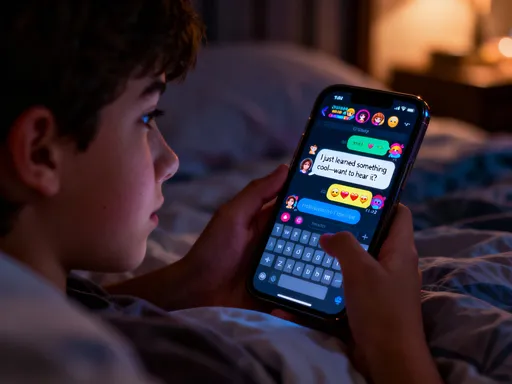
Another friend used the app to record her daughter’s bedtime thoughts. Every night, she asks, “What made you happy today?” and “What are you wondering about?” Over time, she’s watched her child’s voice grow, her thoughts deepen. Now, when her daughter has a hard day, they go back and listen to older entries. “Remember when you said you were brave enough to try the big slide?” she’ll say. And her daughter smiles. It’s not just memory-keeping. It’s emotional support. It’s growth. It’s love made audible.
Making It a Family Ritual
The most beautiful thing about this app is how naturally it fits into life. It’s not another chore. It’s not another screen to stare at. It’s become part of our rhythm. On Sundays, I call my aunt and say, “Want to record a quick story?” We talk about anything—her garden, her favorite recipes, the neighbor’s dog that barks at the mailman. Sometimes it’s five minutes. Sometimes it’s twenty. But every time, I feel closer to her. My kids have started doing it too. My 10-year-old asks her grandma, “Tell me about when you were my age,” and records the answer. She plays it back when she misses her.
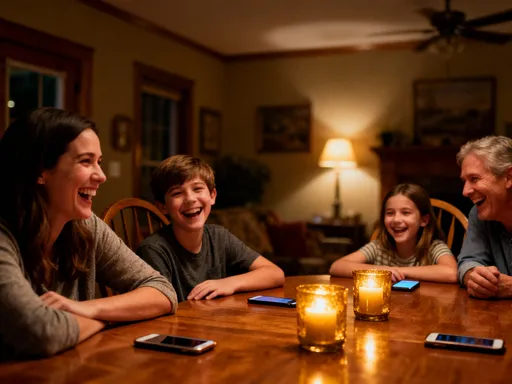
One family I know turned it into a monthly tradition. Every first Saturday, they gather—some in person, some on video call—and each person shares one memory. They use the app to save it, and at the end of the year, they listen to all the recordings together. It’s become their favorite holiday—no gifts, no stress, just voices and stories. Another mom uses it during her daily walk with her toddler. She asks simple questions like, “What did you like at the park?” or “Who made you laugh today?” and records the giggly, messy answers. Years from now, she’ll hear the way her child’s voice sounded at age three—the little lisp, the excited squeals.
The key? It’s not about doing it perfectly. It’s about doing it. You don’t need a script. You don’t need silence. You don’t even need to know what to ask. Just press record and say, “Tell me about…” and let them go. The app saves it. The moment stays. And slowly, piece by piece, your family’s story takes shape—not in textbooks or timelines, but in the sound of a voice you love.
Voices That Outlast Time
There’s a quiet power in hearing someone’s voice after they’re gone. I lost my mother two years ago. One night, missing her terribly, I opened the app and played a recording of her describing how she learned to knit. Her voice filled the room—warm, a little shaky, full of pride. I cried. But it wasn’t just grief. It was gratitude. She was still there. Not in body, but in voice. In memory. In love. My daughter, who was only eight when Grandma passed, now listens to those recordings and says, “I remember her voice.” And she does. Not from photos. Not from stories I’ve told. From the real thing.
Another woman I spoke to shared how her son, adopted from another country, used the app to record his birth mother’s stories when she visited. He didn’t have many answers about his early life, but through those recordings, he began to feel a connection—to hear her accent, her laugh, the way she described the hospital where he was born. It didn’t replace anything. But it added something precious: understanding. Belonging. A sense of where he came from.
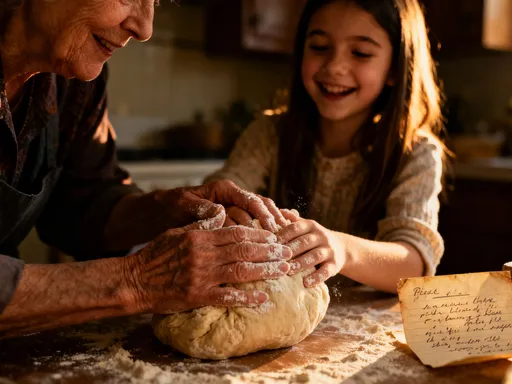
And it’s not just about loss. It’s about legacy. It’s about giving your children something no toy or trip can provide: a sense of roots. When my son hears his great-grandfather talk about walking five miles to school in the snow, he doesn’t just hear a fact. He hears resilience. When my niece listens to her grandma talk about working two jobs to buy her first home, she hears strength. These aren’t lectures. They’re whispers of wisdom, passed down in the most natural way—through story.
Starting Is Simpler Than You Think
I know what you’re thinking. “I don’t know how to start.” “What if they don’t want to talk?” “What if I ask the wrong question?” Let me tell you: there is no wrong question. There is no perfect moment. The best time to start is now—while the people you love are still here to answer. You don’t need a fancy setup. Just your phone and an open heart.
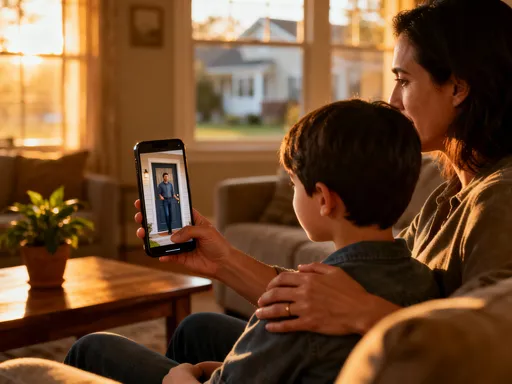
Here’s how I began: I sat next to my mom on the couch, opened the app, and said, “Can I record you telling me about your first pet?” She smiled. “Oh, that old dog? He used to chase the mailman every day.” And she started talking. I didn’t interrupt. I didn’t correct her. I just listened. And recorded. That one conversation led to another. Then another. Now, we have over 30 stories saved—her childhood, her first job, how she met my dad. All because I asked one simple question.
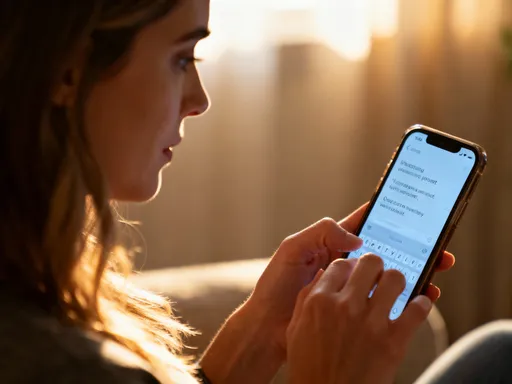
If you’re not sure where to start, here are a few gentle prompts: “What’s your earliest memory?” “What made you laugh today?” “What was your favorite thing to do as a kid?” “Who was your best friend growing up?” “What’s something you’re proud of?” These aren’t interviews. They’re invitations. And the app makes it easy to save, organize, and revisit them—no tech skills needed. You don’t have to do it all at once. One story. One question. One voice. That’s enough.
A Legacy That Grows with You
This isn’t just about preserving the past. It’s about enriching the present. Every time I listen to a recording, I feel closer to my family. Every time my children hear a grandparent’s voice, they feel more grounded. These stories aren’t static. They’re alive. They grow as we do. My daughter now adds her own recordings—her school plays, her thoughts on friendship, her dreams for the future. Someday, her children will listen to them. The cycle continues.
Technology often gets blamed for pulling us apart—endless scrolling, distracted dinners, screens replacing conversation. But it doesn’t have to be that way. Used with intention, it can do the opposite. It can bring us closer. It can help us listen. It can give us a way to say, “I want to remember you. I want to hear your voice. I want to know your story.”
In the end, we’re not just saving memories. We’re building a legacy—one voice at a time. Not in stone or print, but in something warmer, more intimate: the sound of a laugh, the rhythm of a story, the quiet pride in someone’s voice as they say, “Let me tell you about the time…” That’s the gift we can give each other. Not just photos. Not just dates. But presence. Connection. Love that echoes forward, long after the moment has passed.